8 Artisan (Ava) Alternatives for AI Outbound in 2026 — new, unpriced
Static B2B databases decay at 30% to 70% annually, which causes all-in-one outbound agents relying on cached data to face declining reply rates and strict email provider spam thresholds. Drevon offers an evidence-backed prospect research approach through a free macOS desktop application that runs directly in your browser rather than routing prompts through shared cloud scrapers. While Artisan packages contact data, copy generation, and inbox management into a single closed platform, modern growth teams are decoupling their outbound systems into specialized tools for intent discovery, enrichment waterfalls, and deliverability infrastructure.
- Artisan (Ava) bundles data and delivery: The platform combines a 250M+ contact database, automated email copywriting, and sequence scheduling into an autonomous agent model starting at annual contract commitments.
- Closed databases create deliverability risks: High-volume generative outbound without primary source verification breaches Google and Microsoft 0.30% spam complaint thresholds.
- Modular outbound architectures win on precision: Teams separate live browser-based signal discovery, multi-vendor waterfall enrichment, and dedicated multi-mailbox infrastructure to maintain high conversion.
- Zero-markup AI execution: Modern local agents drive existing model subscriptions (Claude Code, Codex) to inspect real-time web pages with zero per-credit markups.
Why GTM Teams Look for Artisan (Ava) Alternatives
Artisan positions its AI agent, Ava, as an autonomous replacement for human SDRs by bundling contact data, email generation, and mailbox warmup into a single subscription. Teams seek alternatives because closed database architectures lack real-time intent verification, obscure unit costs behind annual contracts, and risk domain reputation under modern email deliverability rules.
The traditional all-in-one AI SDR model relies on centralized data caches. When an agent pulls prospect lists from a static index, it inherits the same contact decay that affects conventional data brokers. According to industry analysis on Artisan pricing, buyer procurement data tracked by Vendr shows median annual contracts around $26,250 per year. For growth engineers who require inspectable data pipelines, paying an enterprise baseline for a closed system limits operational flexibility.
Modern inbox providers enforce strict authentication and complaint rules. Google and Microsoft permanently reject unauthenticated mail and throttle domains that cross a 0.30% spam complaint threshold. When an automated agent sends template-driven sequences without verifiable buying triggers, complaint rates rise quickly. Teams are moving away from monolithic platforms toward modular stacks that separate real-time account discovery from delivery infrastructure, as explored in our guide on the end of static data.
1. Drevon: Evidence-Backed Prospect Research in Your Browser
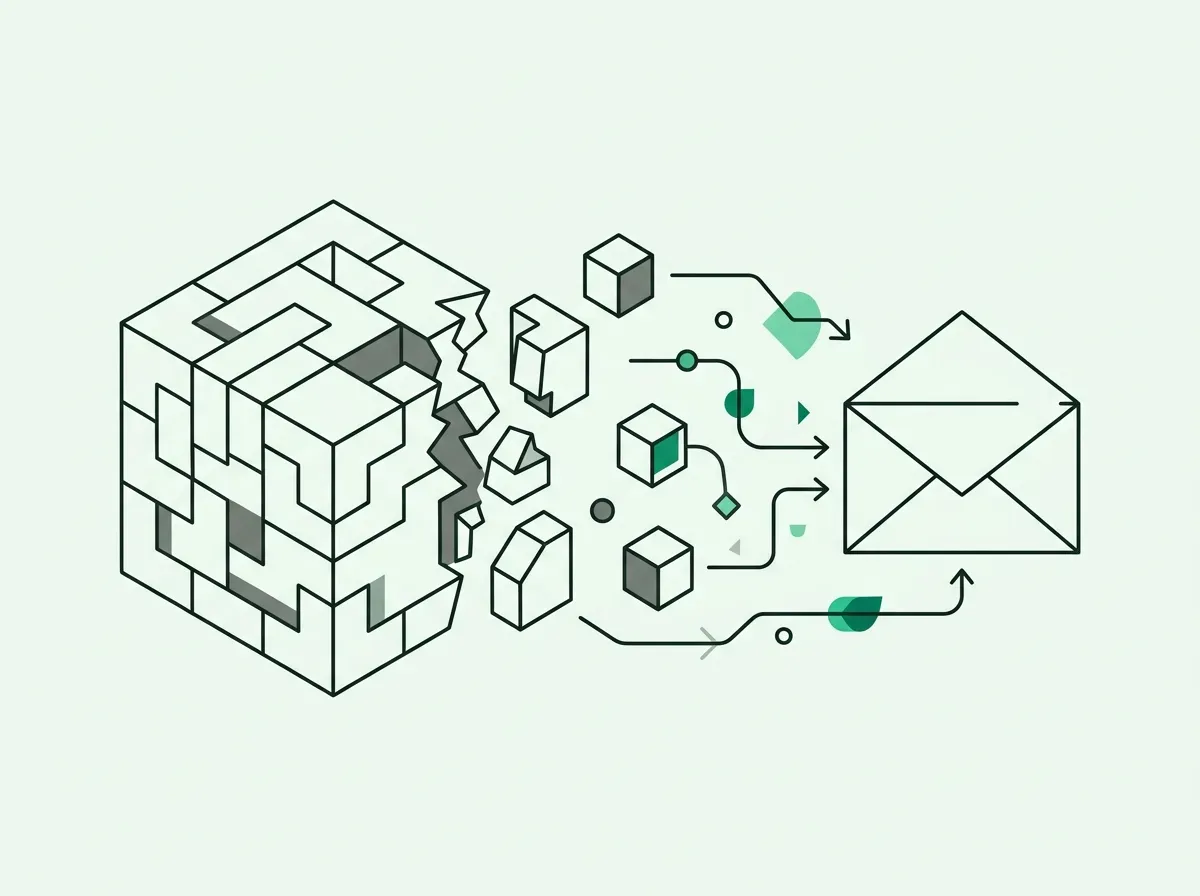
Drevon is a free desktop application for macOS that runs autonomous research agents directly in your local browser sessions. It finds active buying intent across LinkedIn, Reddit, and Crunchbase, producing structured prospect lists where every single data point links directly to a verifiable live URL.
Instead of querying a stale database, Drevon navigates the web using your authenticated sessions. This allows the local agent to observe real-time discussions, hiring updates, and executive commentary that cloud scrapers cannot access behind logins. You can read more about this mechanism in our analysis of why we built a browser-based agent instead of an API wrapper.
| Feature | Drevon Specification |
|---|---|
| Execution Environment | Local macOS desktop (Apple Silicon and Intel) |
| AI Model Billing | BYO subscription (Claude Code, OpenAI Codex, Copilot) |
| Data Source | Live browser sessions (LinkedIn, Reddit, Crunchbase) |
| Source Verification | Direct URL cited for every claim and data row |
| Platform Pricing | Free desktop application |
Drevon connects directly to your existing AI subscriptions, eliminating per-action compute fees and credit markups. Teams that need deep account context use Drevon to identify declared intent in public communities, following the techniques detailed in our breakdown of resolving anonymous intent on Reddit.
2. Clay: Modular Waterfall Enrichment and Custom AI Workflows
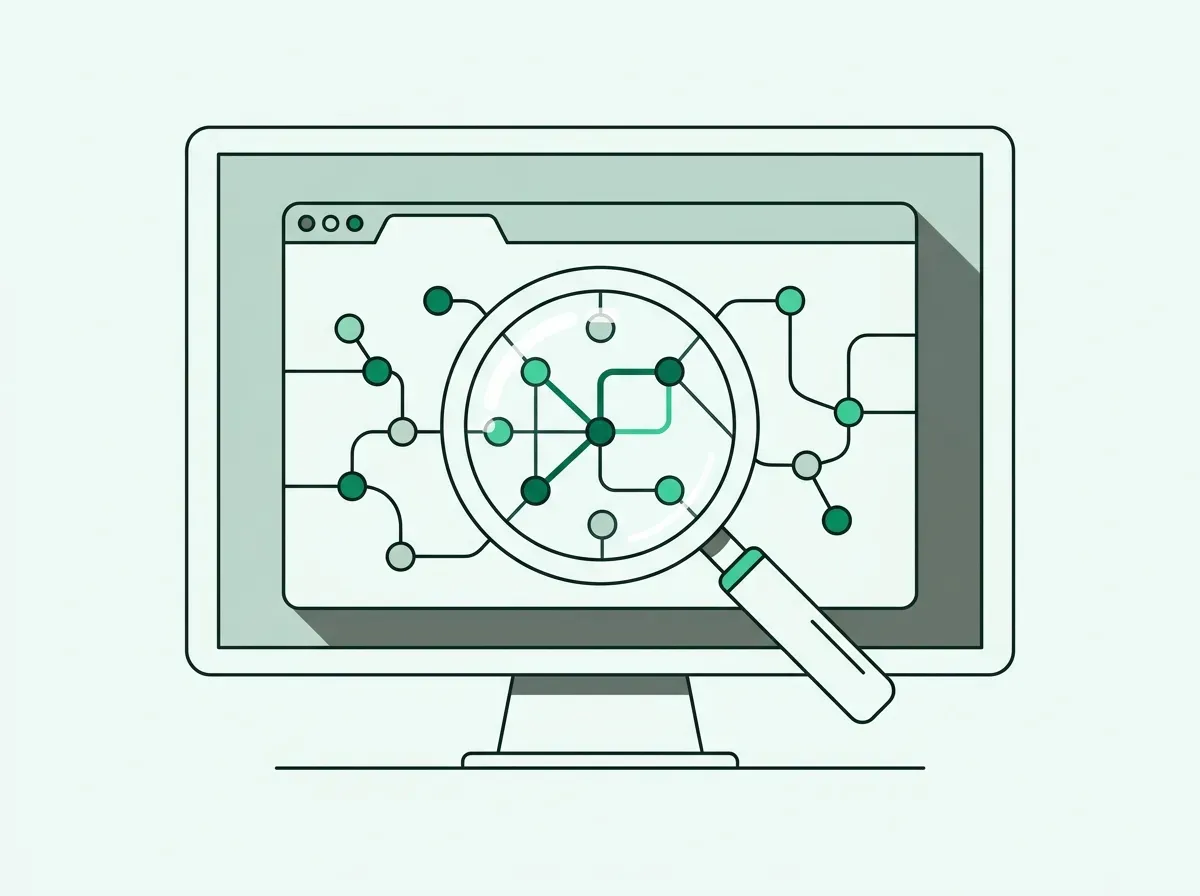
Clay provides a cloud-based spreadsheet interface designed to build complex data enrichment waterfalls across more than 150 third-party data providers. It lets operations teams orchestrate sequential lookups, run AI research prompts via Claygent, and sync verified records directly to Salesforce or HubSpot.
In March 2026, Clay restructured its pricing into a dual-currency model separating Data Credits from Actions. The entry Launch plan costs $185 per month ($167 per month billed annually) and includes 2,500 Data Credits and 15,000 Actions. The Growth tier runs $495 per month for 6,000 Data Credits and 40,000 Actions. For an in-depth comparison of data mechanics, see our teardown on Clay vs. Drevon: data enrichment vs intent discovery.
Clay excels at multi-vendor phone and email waterfall verification. However, because Claygents execute in a shared cloud environment, they cannot access closed community discussions or authenticated user sessions. Detailed workflow reviews in guides covering Artisan AI alternatives show that teams often use Clay downstream from local discovery agents to handle final contact enrichment.
3. 11x (Alice): Autonomous Cloud-Based SDR Agent
11x develops autonomous digital workers, including Alice for outbound sales and Julian for inbound and outbound voice qualification. The platform handles multi-channel execution across email, LinkedIn, and phone cadences through deep bidirectional CRM integrations with Salesforce and HubSpot.
11x targets enterprise sales organizations seeking a managed digital workforce. According to market research on AI SDR pricing across platforms, entry-level deployments start at roughly $5,000 per month ($50,000 to $60,000 per year) for single-channel email campaigns, scaling to $10,000 or more per month when adding multi-channel workflows and voice agents. Independent buyer reviews on 11x AI review summaries highlight that annual contracts and fixed campaign playbooks require substantial onboarding investment.
If you want a managed enterprise deployment that mimics a traditional SDR hire, 11x offers deep enterprise governance. If you prefer granular control over research logic and scraping prompts, modular tools provide greater architectural transparency.
4. Apollo.io: All-in-One Database, AI Assistant, and Multi-Channel Sequencer
Apollo.io combines a 275M+ B2B contact database with native email sequencing, a built-in dialer, and generative AI writing assistants. It provides an accessible entry point for early-stage teams that require contact data and sales engagement tooling in one login.
Apollo operates on a per-seat pricing structure. The Basic tier begins at $49 per user per month (billed annually), the Professional tier sits at $79 per user per month, and the Organization plan costs $119 per user per month with a 3-seat minimum requirement. Direct dials consume 8 credits each, and unused credits expire at the end of each billing cycle without rollover.
While Apollo delivers extensive contact volume, static records require active verification to prevent deliverability issues. Teams often pair Apollo database exports with local intent validation, as described in our review of where your prospect data goes across Apollo, Clay, and ZoomInfo.
5. Deepline: Developer-First GTM API and Waterfall Runtime
Deepline is an API-first enrichment runtime that consolidates 97+ B2B data vendors behind a unified endpoint. Designed specifically for GTM engineers and AI coding agents, it eliminates the need to manage individual vendor contracts or build custom scraping scrapers.
Instead of providing a visual spreadsheet interface or an automated email sequencer, Deepline exposes a programmable API that accepts contact enrichment queries and routes them across waterfalls. You pay for successful programmatic lookups without managing separate seats or user dashboards.
Deepline fits teams building bespoke outbound systems directly in Python, TypeScript, or workflow runtimes. To understand how code-first teams approach these architectures, read our overview of what is a GTM engineer.
6. Regie.ai: Intent-Driven Enterprise Copywriting and Workflow Agents
Regie.ai is an enterprise generative AI platform that integrates with existing sales engagement systems such as Salesloft and Outreach. It focuses on analyzing CRM historical data and brand guidelines to produce personalized outbound copy for human SDR teams.
Unlike all-in-one platforms that provide proprietary contact databases, Regie.ai works on top of your existing CRM records and intent data feeds (such as Bombora and 6sense). It monitors buyer stages and automatically drafts contextual emails for reps to review or send autonomously.
Regie.ai suits enterprise revenue organizations with established contact lists and strict compliance requirements. If your primary bottleneck is discovering net-new accounts exhibiting real-time intent, pair Regie.ai with upstream signal research methods from our guide on how to build a signal-based engine without intent data.
7. AiSDR: Inbound and Outbound Autonomous Lead Conversion
AiSDR is an autonomous outbound platform that qualifies inbound leads from HubSpot and Salesforce, automates multi-channel outreach across email and LinkedIn, and handles objection responses to book calendar meetings.
AiSDR publishes fixed subscription pricing based on monthly researched contact volume. The Solo tier is $250 per month ($2,400 per year) for 200 researched contacts, the Explore tier is $900 per month ($8,640 per year) for 800 contacts, and the Scale tier is $2,500 per month ($24,000 per year) for 2,500 contacts with 18 automated mailboxes. Platform comparisons documented on AiSDR vs 11x note that AiSDR includes mailbox rotation and automated warmup in its standard packages.
AiSDR works well for companies running standardized email cadences that need automated objection handling. However, custom prospecting briefs requiring deep community analysis require open-ended local research agents.
8. Salesforge: Multi-Mailbox Cold Outbound Engine with Native AI Personalization
Salesforge is a cold email infrastructure platform that combines programmatic multi-mailbox sending, dedicated IP setups, and real-time AI email generation. It solves deliverability bottlenecks by distributing sending volume across dozens of secondary domains and inboxes.
Salesforge offers a flat platform model. The Pro plan costs $48 per month ($40 per month billed annually) for up to 1,000 active contacts and 5,000 emails, while the Growth plan is $96 per month ($80 per month billed annually) for up to 10,000 contacts and 50,000 emails with unlimited user seats and connected mailboxes. Its autonomous SDR add-on, Agent Frank, is available for $499 per month.
Salesforge focuses purely on email infrastructure and deliverability mechanics. It does not provide a native prospect research database, making it an ideal delivery layer when paired with browser-based research tools, as detailed in our guide on the job-based GTM stack.
Comparing the 8 Artisan Alternatives: Architecture, Data, and Fit
Choosing an outbound platform depends on whether you require an autonomous end-to-end service, a data enrichment waterfall, or a local intent discovery agent. The following table evaluates the 8 alternatives across core architectural criteria.
| Platform | Architecture | Primary Data Source | AI Model Billing | Pricing Structure |
|---|---|---|---|---|
| Drevon | Local macOS app | Live browser sessions (LinkedIn, Reddit, Web) | BYO subscription (Claude, OpenAI) | Free desktop application |
| Artisan (Ava) | Cloud SaaS agent | 250M+ static B2B database | Bundled into contract | ~$26,250/yr median contract (artisan.co/pricing) |
| Clay | Cloud spreadsheet | 150+ enrichment API vendors | Per-action credit fees | $185/mo Launch; $495/mo Growth |
| 11x (Alice) | Cloud digital worker | Proprietary data + web scrapers | Bundled into enterprise tier | $5,000 to $10,000+/mo annual contracts |
| Apollo.io | Cloud database & sequencer | 275M+ static contact index | Per-seat plan credits | $49 to $119/user/mo |
| Deepline | Developer API | 97+ GTM data vendors | Usage-based API rates | Per-request API billing |
| Regie.ai | Cloud workflow agent | CRM records + third-party intent | Bundled platform fee | Custom enterprise pricing |
| AiSDR | Cloud multi-channel SDR | 700M+ contact index + web data | Bundled per-contact tiers | $250/mo to $2,500/mo transparent tiers |
| Salesforge | Email infrastructure | External imports (Leadsforge add-on) | Flat fee + $499/mo AI agent | $48/mo Pro; $96/mo Growth |
All-in-one digital workers offer simplicity for teams that want hands-off execution. However, growth engineers looking for high deliverability and verified buying triggers achieve stronger results by decoupling the stack: using Drevon for evidence-backed discovery, Deepline or Clay for contact validation, and Salesforge for distributed sending. For more on structuring these cost-effective workflows, read our breakdown of how credit-based pricing models penalize discovery.
Frequently Asked Questions About Artisan and AI SDR Alternatives
What makes an evidence-backed prospect research tool different from Artisan's Ava?
An evidence-backed research tool like Drevon gathers data in real time directly from live browser sessions, providing a verifiable source URL for every role, company event, or intent signal. All-in-one agents like Artisan query static databases and generate generic personalization without citing inspectable primary source records.
Can AI SDR agents replace human SDRs in complex B2B sales cycles in 2026?
AI SDR agents automate repetitive tasks like initial account identification, contact verification, and routine follow-up scheduling. In complex sales cycles, high-performing teams use AI agents to conduct deep prospect research and draft initial outreach briefs, while human sales reps handle strategic relationship building and deal negotiation.
How do email deliverability algorithms handle AI-generated outbound sequences?
Google and Microsoft monitor sending consistency, domain authentication (SPF, DKIM, DMARC), and user spam complaints. When autonomous AI platforms blast unverified contacts, spam complaint rates exceed the 0.30% cap, causing mail servers to drop messages via permanent SMTP 550 errors regardless of sender warm-up.
What is the cost difference between all-in-one AI SDR platforms and modular outbound stacks?
All-in-one platforms typically require annual enterprise contracts ranging from $24,000 to $60,000+ per year. A modular stack combining a free local research agent like Drevon, pay-as-you-go waterfall APIs, and dedicated mailbox infrastructure like Salesforge costs under $200 to $500 per month while providing higher data precision.
If you want to run evidence-backed prospecting without a multi-thousand-dollar annual contract, download the free Drevon desktop app for macOS and start researching high-intent accounts using your own browser sessions today.