
Best Intent Data Providers in 2026, Compared
The best intent data providers in 2026 are Bombora, 6sense, Demandbase, ZoomInfo, G2 and Informa TechTarget. Compare data source, signal level and pricing.
Akash Munshi·October 13, 2026·12 min read
News, guides, and updates from the Drevon team.
The best intent data providers in 2026 are Bombora, 6sense, Demandbase, ZoomInfo, G2 and Informa TechTarget. Compare data source, signal level and pricing.

Choose a B2B data provider on coverage in your segment, accuracy, compliance, refresh rate and contract terms. A 10-provider shortlist, plus when to skip.

Dealfront is the closest EU-hosted Cognism alternative; Lusha and Apollo cost less; local-first research avoids storing data. 8 options, October 2026.

Apollo and ZoomInfo add the emails Sales Navigator lacks; Crunchbase, Dealfront and public sources add signals. 9 alternatives with October 2026 pricing.

Cognism wins on verified mobiles, UpLead and Hunter on verified emails, Apollo on value. 9 Lusha alternatives compared with October 2026 pricing.

ZoomInfo and Cognism beat Apollo on enterprise and EU data; Clay, Crunchbase and Drevon beat it on research. 10 Apollo alternatives, priced Oct 2026.

Apollo is the closest ZoomInfo swap on price, Cognism wins for European mobiles, and research tools skip the database. 11 options with Oct 2026 pricing.

Clay is a workflow tool that buys data from 150+ providers; ZoomInfo is a contact database. Compare cost models, accuracy and when to use each or both.

Apollo is the better buy for email-first teams under $5,000 a year. ZoomInfo wins on direct dials at about 7x the cost. Accuracy, coverage, price.

ZoomInfo does not publish prices. Vendr's data puts the median contract at $33,500 a year. See the plans, what drives a quote and how to negotiate.

Apollo costs $49 to $119 per seat a month on annual billing. See how its single credit pool works and what a usable lead really costs after bounces.

Clay costs $0 to $495 a month on self-serve plans. See what Actions and Data Credits buy, and the real cost per enriched lead with the maths shown.

10 cold email tools compared on October 2026 pricing, sending limits and deliverability. Instantly and Smartlead lead on volume; lemlist on channels.

Private AI for business means proving where data goes, who sees it and how long it stays. Compare SaaS, VPC, on-prem and air-gapped, with a checklist.

GTM engineer salaries in posted US ranges run about $130K to $230K base in 2026. Sourced figures by seniority, company stage and location, with dates.

Lead scoring ranks leads by fit, intent and engagement so reps call the right people first. Build a points model, add decay and calibrate on closed-won.

Outbound sales in 2026 works when teams target dated signals, research first and run short multichannel sequences. Roles, capacity maths and benchmarks.

21 short cold email templates grouped by trigger: job change, funding, hiring, Reddit pain, tech change, events. Each lists the research it needs first.

The best data enrichment tools in 2026: HubSpot for CRM fill, BuiltWith for tech stacks, HG Insights for IT spend, Clay to combine them, with prices.

AI lead generation works best for signals, research and routing, with a human checking every claim. A step-by-step setup, quality controls and metrics.

The best AI SDR tools in 2026 are Jason AI, Amplemarket, AiSDR, Artisan, 11x and Piper. Compare what each automates, human review, channels and pricing.

The best ABM tools for lean B2B teams in 2026: when a 6sense or Demandbase contract pays off, and the cheaper HubSpot, LinkedIn and Clay stack that works.

Firmographic data describes what a company is; technographic data shows what it runs. Definitions, examples, use cases, and free sources for both.

A B2B TAM analysis counts the accounts that fit your ICP and multiplies by realistic ACV. Here is TAM, SAM and SOM, bottom-up math, and an agent workflow.

GTM engineer jobs in 2026 ask for Salesforce, Clay, APIs and LLM workflows, plus SQL or Python at most. We read 29 live postings; here is what they want.

15 official Clay templates for inbound routing, job changes, tech-stack scoring, hiring signals and more, with the integrations and credit costs of each.

Build your first Clay table step by step: source companies, find people, run an email waterfall, add an AI column, and export, with real credit costs.

Apollo is a contact database with sequencing built in. Clay is a workflow builder over 150+ data providers. Compare data, workflow, pricing and fit.

Learn sales signals that matter, map them to plays, and ship a 7‑day rollout. Discover niche first‑party signals and where Drevon automates it.

Context engineering replaces brittle prompt templates with runtime memory, dynamic browser extraction, and verified evidence pipelines for GTM agents.

Learn how to qualify account-level data using local AI browser agents and executable heuristics, bypassing stale B2B databases and annual data contracts.

Benchmark autonomous AI research agents before scaling outbound. Measure signal precision, citation provenance, extraction recall, and execution latency.

Discover what sales research is in 2026. Learn how dynamic account research, buying signals, and browser agents replace stale database lookups.

Build an evidence-backed AI GTM strategy. Learn how to deploy browser agents, verify live intent signals, and scale B2B pipeline efficiently.

Discover how to mine high-intent B2B buying signals on X (Twitter). Turn public pain points and tech stack migrations into verified pipeline.

Learn how to map enterprise buying committees with parallel browser AI agents to move past single-threaded sales and lift close rates to 30%.

Compare 6sense paid intent data with verifiable public signals. Explore 2026 pricing benchmarks, match rates, and outbound reply data.

We benchmarked ChatGPT Deep Research against dedicated GTM workflows. Here is where general LLM research breaks down for outbound prospecting.

Compare GTM engineering agencies (Claygencies) versus building in-house. Analyze retainer costs, data ownership, hiring salaries, and AI workflows.

Is LinkedIn scraping legal in 2026? We analyze CFAA case law, LinkedIn Terms of Service, GDPR enforcement actions, and compliant GTM research practices.

B2B website visitor identification match rates have fallen below 38%. Learn how IP de-anonymization works and how to verify real account intent.

Learn how to write an AGENTS.md file for your revenue stack to eliminate prompt drift, enforce data provenance, and guide browser-native GTM agents.

Cloud scraping fails under modern bot defense. Discover how browser agents like Comet and Gemini reshape GTM research and where generalist AI falls short.

Discover why top GTM teams use human correction layers for AI SDR tools to stop domain decay, fix data hallucinations, and cut pipeline costs.

YC's 2026 cohorts show outbound shifting from mass AI cold email to deterministic revenue factories powered by browser-native research.

AI SDR tools are shifting from brittle API integrations to browser-native computer use. Here is how autonomous agent execution changes account research.

Compare Grok Bot autonomous workers and desktop-first agents on security, auditability, error compounding, and control for GTM account research.

Apollo acquired Pocus to merge 230M contact records with product-led signals. Here is what GTM consolidation means for sales intelligence.

Discover how the Agentic Commerce Protocol and machine-readable data standards reshape B2B sales discovery, pricing APIs, and procurement.

Autonomous GTM agents fail when account-level data degrades. Explore nine agent drift failure modes, empirical research, and source-grounded fixes.

Salesforce and Anthropic released Claudeforce with 37 prebuilt sales skills. Here is what the architecture means for enterprise GTM engineers.

Compare modern AI GTM tools, from Cursor-based engineering consoles to local research agents, with verified benchmarks and context architectures.

Discover 12 critical B2B buying signals only a logged-in browser session can see, bypassing static database decay and anti-bot authwalls.

Compare the top Explee alternatives for evidence-backed prospect research. Evaluate Drevon, Clay, Deepline, and gtm.ai on data freshness, proof, and cost.

Explore 12 enterprise AI agent use cases across GTM, DevOps, and operations, comparing cloud SaaS with local browser execution models.

Compare top enterprise AI agent platforms across hosted database wrappers, cloud orchestrators, and local browser research runtimes.

Enterprise AI agents introduce major security risks when granted unrestricted cloud access. Here are the core security best practices for 2026.

A self-hosted AI agent executes reasoning and browser tasks on local hardware, eliminating cloud data middleman risks and credit markups in prospect research.

Discover the 10 best self-hosted AI agent platforms in 2026. Compare local desktop runtimes, Docker containers, and enterprise Kubernetes orchestration engines.

Cold email deliverability without domain DNS access triggers immediate DMARC alignment failure. Learn RFC standards and provider rules for sending.

GTM intelligence unifies buyer signals, account data, and market research so revenue teams can identify and engage in-market accounts.

AutoGTM systems run automated outbound against static databases. Research-first prospecting gathers verifiable proof from primary web sources.

Explore top Deepline alternatives for GTM engineering. Compare browser-native AI agents, spreadsheet waterfalls, and direct programmatic enrichment stacks.

Compare the best AI GTM tools tested across primary-source verification, data decay rates, local browser execution, and pricing models.

Learn how to build an evidence-backed prospecting agent in Claude Code using local browser automation, strict evidence schemas, and MCP tools.

ZoomInfo GTM Studio unifies audience orchestration over a contact database. Learn what it does, its credit limits, and how live research fills the gaps.

Compare Clay, n8n, and Claude Code for GTM automation. Analyze credit economics, cloud versus local browser execution, and engineering trade-offs.

Running Claude Code for GTM cuts vendor credit markups, but multi-turn prospect research burns tokens unless browser execution is managed locally.

Claude Code accelerates GTM engineering scripts, but local browser agents remain essential for verified, primary-source prospect research.

Learn how AI agents research B2B accounts using live primary web sources instead of decaying static databases, plus where traditional data vendors still hold a moat.

Discover if autonomous cold email is allowed in 2026. Explore CAN-SPAM, GDPR rules, 0.30% spam limits, and technical deliverability requirements.

A technical guide to AI GTM architecture: onboarding GTM agents, provisioning authenticated browser sessions, and enforcing evidence-backed prospect research.

Learn how evidence-backed prospect research and local browser agents eliminate B2B data decay, bypass bot detection, and verify buying intent.

Compare the best self-hosted AI agent projects on GitHub, including CrewAI, AutoGen, OpenHands, Browser-Use, Dify, and Drevon for local automation.

Discover what n8n's self-hosted AI starter kit leaves out, from authenticated browser sessions to deterministic evidence verification for prospect research.

Compare self-hosted and cloud AI agents across network latency, browser authentication, data privacy, and per-action credit pricing models.

Learn the hardware sizing formulas, model selection, and serving architectures for on-premise LLM deployment without cloud token bills.

Learn how to host a private LLM for enterprise infrastructure. Sizing, vLLM benchmarks, GPU cloud costs, and compliance architecture.

Learn what an enterprise AI agent is, how its architecture compares to RPA and chatbots, and why local execution protects data security and provenance.

A technical guide to air-gapped AI: what runs offline on local hardware, where static models fail, and how local-first hybrid architectures handle live data.

Learn the 5 core layers of enterprise AI agent architecture, comparing local-first browser execution with cloud wrappers for security and data freshness.

Explore verified examples of enterprise AI agents across IT, sales, customer service, HR, and finance, backed by primary benchmark data.

A practical blueprint and research briefing on enterprise AI agent architecture, data decay benchmarks, local execution models, and governance standards.

A research briefing on deploying AI agents in production, covering failure rates, evaluation frameworks, sandboxing, and primary benchmark data.

Discover why autonomous AI agents fail on live web tasks, how cloud fingerprinting blocks scrapers, and why local browser execution solves production reliability.

Audit and secure autonomous AI agent deployments across your IT stack with this technical checklist covering OWASP ASI risks, NIST AI RMF, and GDPR controls.

Primary research on autonomous AI agent security risks, prompt injection, real-world containment failures, and architectural defense frameworks.

A technical AI agent governance framework to prevent data leaks, eliminate hallucinations, and comply with GDPR using local execution and source pinning.

Discover how AI agent observability, OpenTelemetry GenAI traces, and local audit logs debug multi-step workflows, prevent silent failures, and protect data privacy.

A technical breakdown of the EU AI Act for GTM engineers: risk tiers, Article 50 transparency rules, and how local browser agents reduce GDPR liability.

Enterprise ChatGPT agent mode runs multi-step browser tasks, but cloud sandboxes trigger bot blocks and security risks. Here is how local agents solve it.

Compare enterprise Copilot agents with self-hosted local agents across data governance, credit pricing, execution latency, and live web research workflows.

Compare per-seat, per-run, and per-outcome AI agent pricing models. See benchmark rates, margin impacts, and how local execution removes credit penalties.

A regulatory research briefing on what compliance permits for autonomous AI agents in banking, covering Fed, OCC, GLBA, and model risk rules.

Discover how AI agents automate insurance claims intake, underwriting risk checks, and commercial broker prospecting with local-first, auditable workflows.
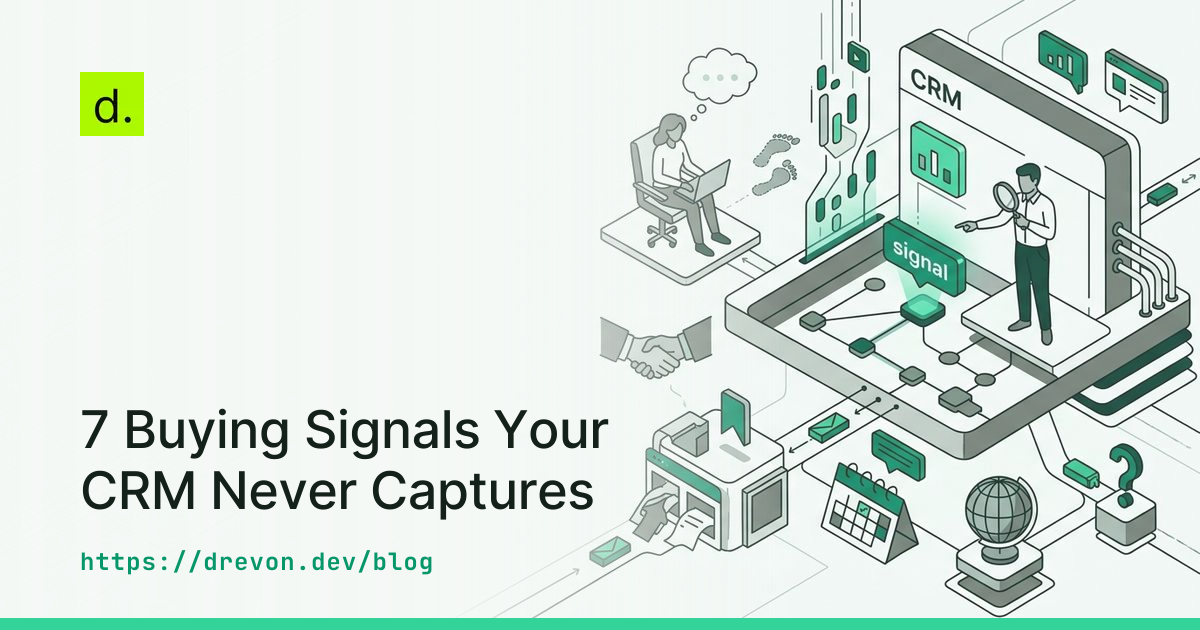
Discover 7 real-time buying signals hidden in your browser that traditional CRMs miss, from community stack deprecation to live source code updates.
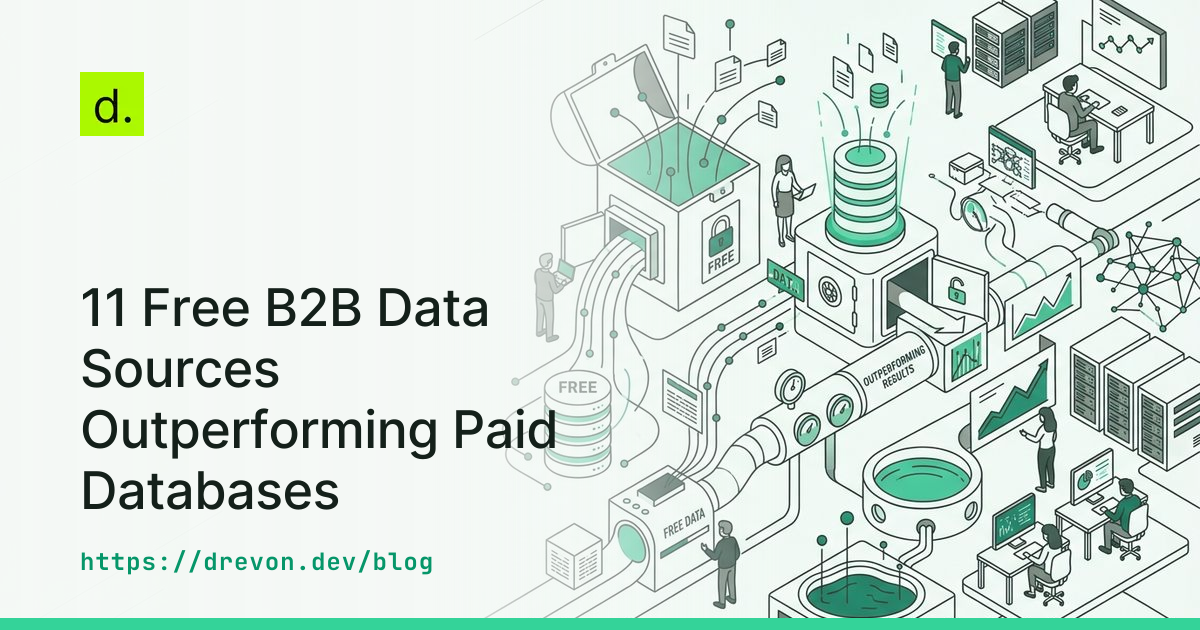
Discover 11 free B2B data sources that beat static paid databases in 2026 with real-time intent, primary-source verification, and zero credit limits.
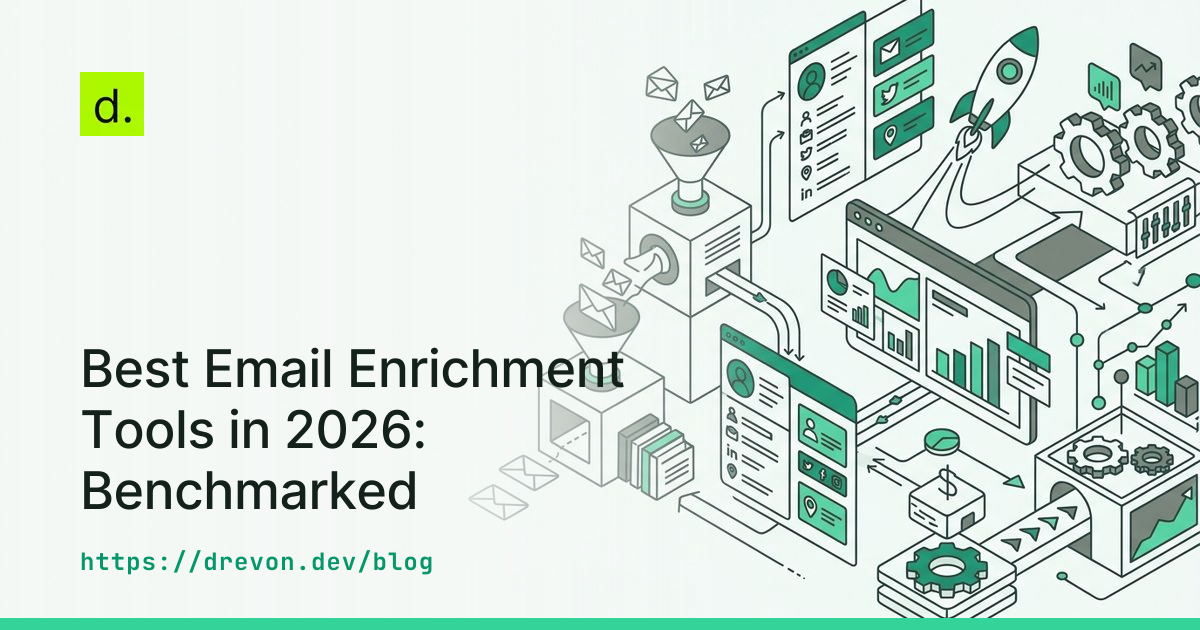
Compare the 8 best email enrichment tools in 2026. Benchmark verified hit rates, catch-all validation accuracy, bounce guarantees, and credit pricing models.
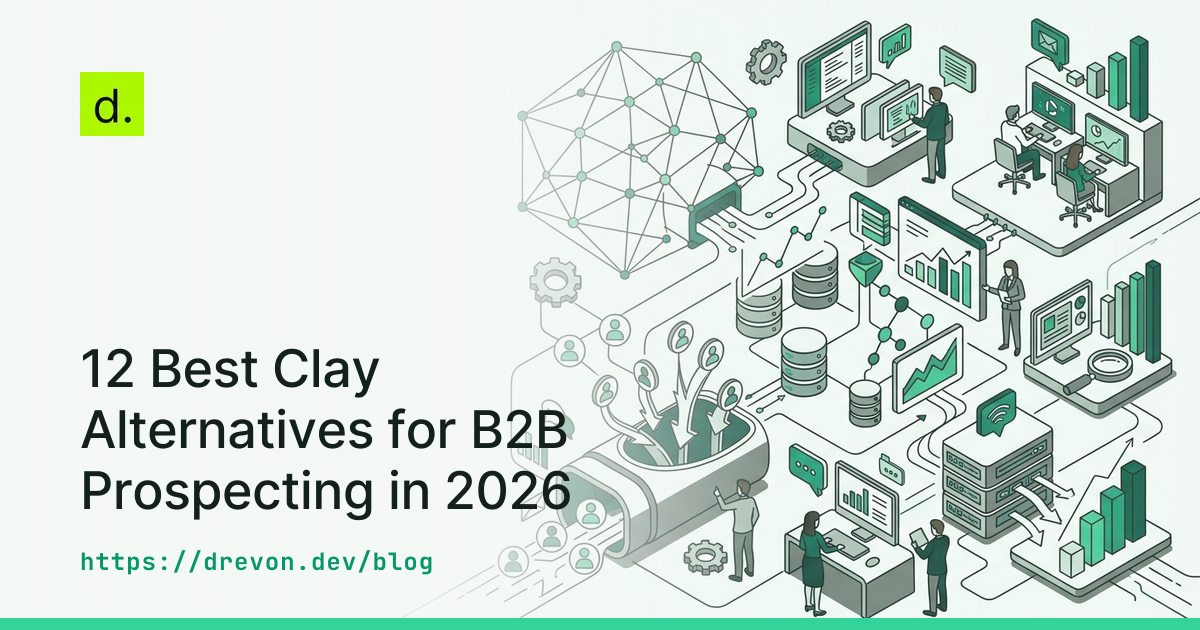
Discover the 12 best Clay alternatives for B2B prospecting in 2026. Compare pricing, data freshness, and browser agents to find the right GTM platform.
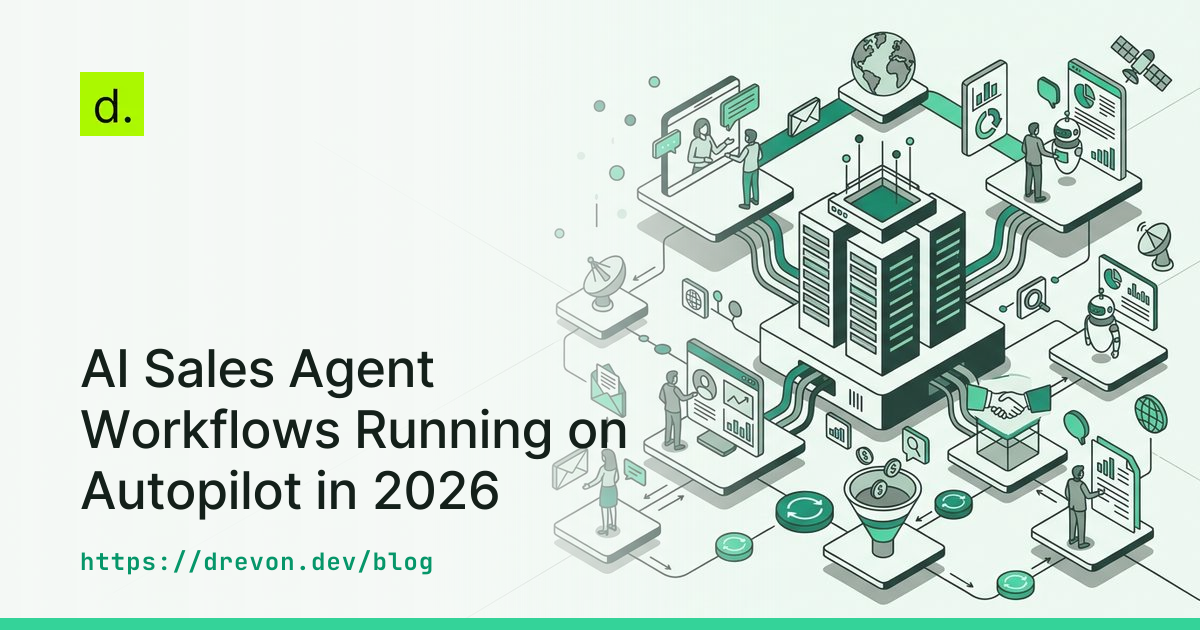
Discover 10 autonomous AI sales agent workflows that replace stale databases with live, evidence-backed prospect research across authenticated channels.