AI BDR vs AI SDR: What the Two Terms Mean — 1,090/mo
TL;DR
- An AI SDR automates inbound lead qualification, enrichment, and meeting scheduling for prospects who have already interacted with your company.
- An AI BDR conducts outbound prospect research, mapping cold accounts and uncovering real-time buying signals across primary web sources.
- Legacy sales bots fail because they blast static database records suffering from a 30% annual data decay rate.
- Modern GTM engineers build evidence-backed outbound workflows using local browser agents that verify live intent on LinkedIn, Reddit, and job boards.
An AI SDR manages inbound qualification and calendar scheduling for warm leads, while an AI BDR conducts outbound intent discovery and account research on cold prospects. At Drevon, we built our free Mac desktop prospect research app to give growth teams an autonomous agent that extracts live evidence directly from the web rather than relying on stale contact databases.
The Real Difference Between an AI SDR and an AI BDR
An AI SDR automates inbound qualification by triaging website form fills, assessing inbound product-qualified leads, and booking meetings on sales calendars. An AI BDR executes outbound account discovery by searching public web platforms, monitoring hiring changes, and identifying verified buying signals before drafting targeted outreach.
The sales technology market frequently blurs these terms. Software vendors often relabel traditional email sequencing tools as autonomous agents to capture rising search demand. However, the operational distinction between inbound qualification and outbound discovery dictates your tech stack, data ingestion methods, and conversion rates.
Inbound AI SDRs function within closed ecosystems. They ingest structured records from form fills, live chat sessions, or CRM updates. The agent evaluates the record against an Ideal Customer Profile (ICP) rubric, enriches the company domain using third-party APIs, and assigns a lead score. If the lead qualifies, the agent sends an email or chat prompt containing a booking link. The operational risk in this workflow is low because the prospect initiated the interaction.
Outbound AI BDRs operate in open, unstructured environments. They do not start with a form fill. An AI BDR must identify target accounts, determine whether those accounts experience specific technical pain points, locate the relevant decision-makers, and find verifiable proof of intent. When teams use basic generative AI templates to contact cold accounts without verifying intent, reply rates drop below 1%.
Core Responsibilities: Inbound Qualification vs Outbound Intent
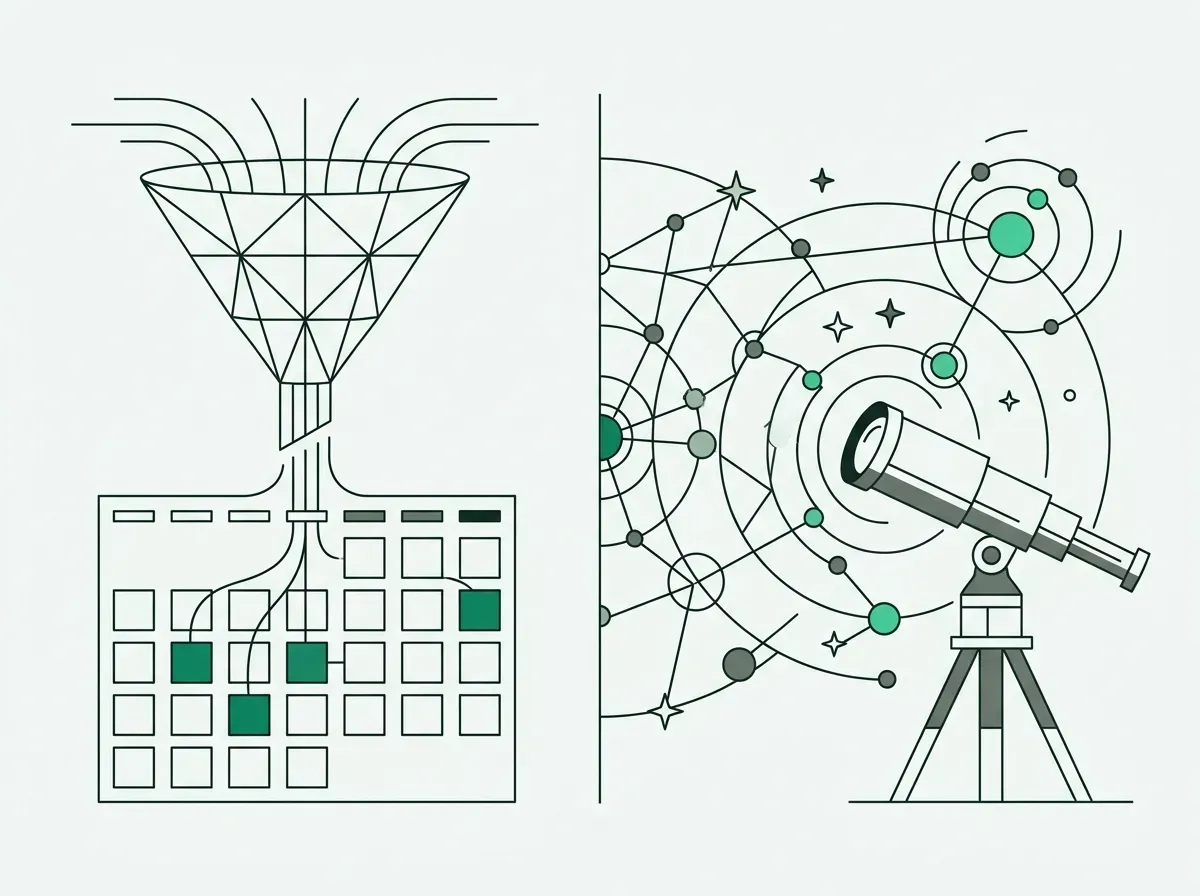
An AI SDR focuses on velocity and triage, ensuring inbound leads receive responses within minutes. An AI BDR focuses on discovery and precision, finding accounts showing active demand and gathering primary-source receipts before writing outreach copy.
When an inbound lead enters your CRM, an AI SDR performs three primary actions: data enrichment, ICP qualification scoring, and conversational scheduling. Inbound conversational platforms like Qualified deploy agents specifically for real-time site visitor engagement, as detailed in Fin AI's comparative analysis of inbound SDR bots. These workflows require integrations with Salesforce or HubSpot to update records and route qualified buyers to account executives.
An AI BDR handles cold discovery workflows that static databases cannot automate. Understanding signal vs noise in buying intent requires tracking real-time events: engineering leadership changes, public discussions on community forums, technology migrations, and expanding job listings. Rather than filtering a static list, the AI BDR cross-references primary web pages to confirm that a prospect actively needs a solution.
The table below summarizes the operational differences between the two agent architectures:
| Operational Dimension | Inbound AI SDR | Outbound AI BDR |
|---|---|---|
| Primary Trigger Source | Form fills, demo requests, inbound chat | Hiring posts, forum discussions, executive job changes |
| Required Data Context | CRM history, product usage, firmographics | Live web pages, community posts, source URLs |
| Execution Runtime | Cloud webhook, CRM native automation | Local browser session, desktop agent, API crawler |
| Primary Failure Mode | Mishandled edge cases, slow routing | Email domain blacklisting, stale database hallucination |
| Core Performance Metric | Speed-to-lead, meeting booking conversion | Positive reply rate, pipeline generated from cold accounts |
| Typical Pricing Model | Platform software bundle or per-seat CRM add-on | Annual digital worker license or local-first tooling |
For teams evaluating what a GTM engineer builds, separating inbound triage from outbound research is essential for configuring clean data pipelines.
Why Traditional Database-Driven AI SDRs and BDRs Fail
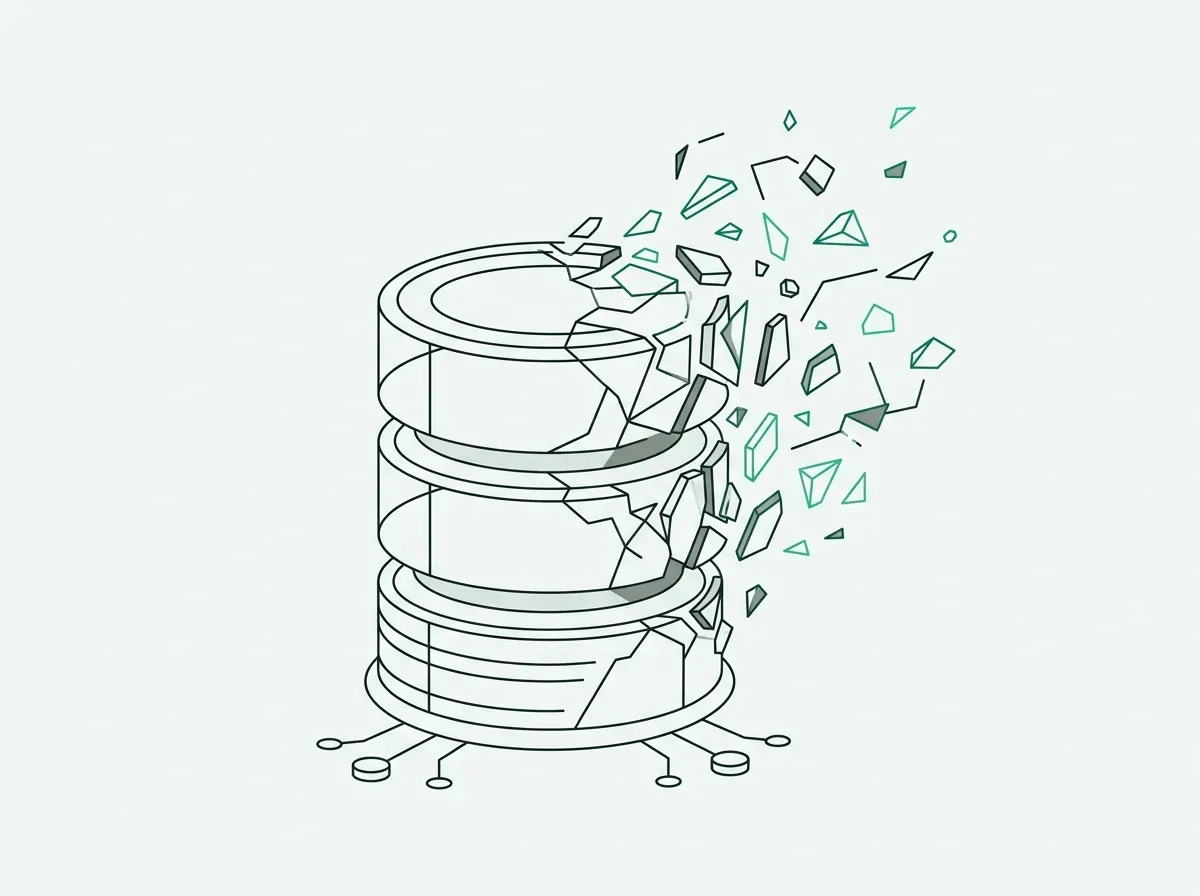
Most cloud-based AI sales agents fail because they source prospect records from static data vendors. Contact databases suffer from severe degradation over time, leading automated email agents to contact outdated roles with irrelevant messaging.
Industry research shows that B2B contact data decays by over 30% annually as professionals switch companies, change job titles, and update internal responsibilities. When an autonomous agent queries a static database, it frequently drafts outreach based on projects the prospect completed years ago or contacts individuals who no longer work at the organization.
This reliance on stale data triggers several technical and financial bottlenecks:
- The Integration Tax: Cloud-hosted sequencing platforms charge markups on third-party enrichment APIs. Teams pay for credit pools on top of baseline subscriptions, incurring the integration tax on AI prospecting without improving data accuracy.
- Hallucinations Without Primary Sources: Large language models instructed to write personalized emails from basic database rows invent company initiatives. Without a verified source URL, the agent guesses the prospect's priorities.
- Network and ASN Blacklisting: Cloud-hosted agents operating from datacenter IP blocks (AWS, Google Cloud) face strict bot mitigation on professional networks. Anti-scraping systems flag datacenter requests, resulting in CAPTCHA challenges and session blocks.
- Credit Penalties: Traditional enrichment providers charge credits regardless of whether a record contains actionable buying intent. Exploring new markets under credit-based pricing models penalizes discovery.
Autonomous outbound platforms like 11x deploy digital workers at enterprise rates. Independent pricing audits by SeraLeads on 11x enterprise costs and Miniloop's 11x pricing teardown report starting contract tiers between $36,000 and $50,000 annually. When these cloud workers pull from outdated lists, teams spend tens of thousands of dollars delivering unverified emails that trigger spam filters.
Architecting an Evidence-Backed AI BDR Workflow
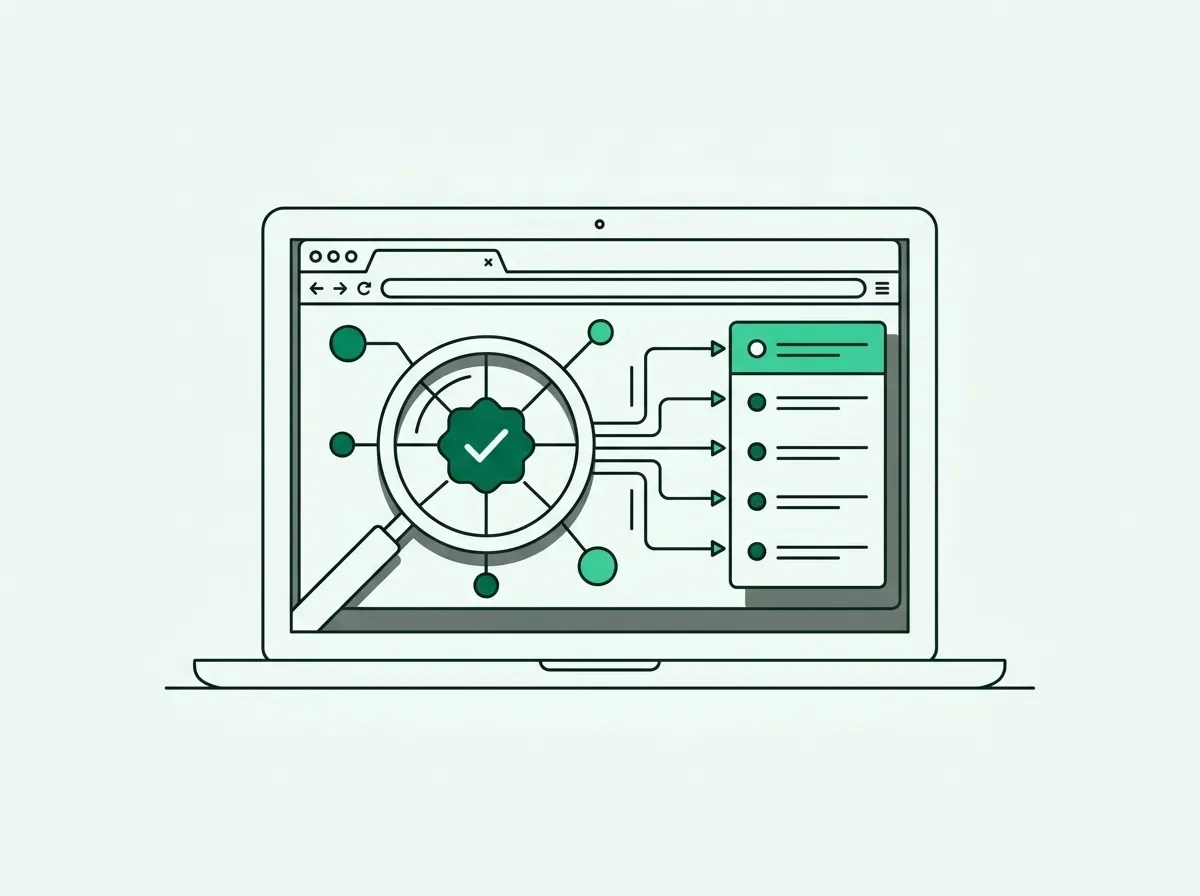
An evidence-backed AI BDR replaces static database lookups with live browser research. By running AI agents locally in desktop browser sessions, GTM teams extract verified intent signals directly from active web pages.
Instead of relying on cloud scrapers that trigger transport-layer fingerprinting flags, local agents use your existing browser authentication. This environment lets the agent research member-only platforms, niche forums, and live job boards with complete fidelity. The workflow focuses on uncovering buying signals missing from contact databases, such as exact technology complaints on Reddit or specific infrastructure requirements in job postings.
Teams tracking community intent can adapt our documented workflow for finding B2B buying signals on Reddit to uncover active buyer pain points before competitors notice them. When evaluating waterfall enrichment vs browser intelligence, browser-native research consistently delivers higher context depth.
A production-ready AI BDR research prompt requires structured outputs and verifiable source URLs. Here is an example prompt structure used by growth engineering teams:
"Find 20 B2B software companies currently hiring senior data engineers with Kubernetes experience. For each company, extract the live job board URL, the specific deployment challenges mentioned in the description, the name of the VP of Infrastructure, and their verified LinkedIn profile URL. Format the output as a Markdown table with explicit source citations for every claim."
Running this workflow locally through desktop AI agents allows growth teams to use their existing model subscriptions—such as Claude Code or OpenAI Codex—eliminating per-seat data markups and usage caps.
Evaluating AI Sales Agents: A Decision Matrix for GTM Teams
Choosing between an AI SDR and an AI BDR depends on your primary pipeline bottleneck. If your website generates substantial inbound volume that sales reps cannot contact within five minutes, deploy an inbound AI SDR. If your sales pipeline lacks qualified opportunities, deploy an outbound AI BDR.
According to comprehensive pricing compilations from Artisan's sales agent pricing breakdown and outbound software cost comparisons on HeySid's AI SDR cost index, commercial outbound agents typically cost between $250 a month for entry tiers to over $3,000 a month for high-volume enterprise configurations. Infrastructure add-ons—such as secondary domains, mailbox warming services, and manual list cleaning—add $105 to $500 per month in overhead.
The table below provides a decision matrix to guide your team's evaluation:
| Business Requirement | Recommended Solution | Primary Technology Stack |
|---|---|---|
| High inbound website traffic, slow lead response time | Inbound AI SDR | CRM webhooks, conversational routing, calendar integrations |
| Underperforming outbound response rates from cold lists | Evidence-Backed AI BDR | Local browser research agent, live job board crawlers |
| Enterprise data privacy, zero third-party data retention | Desktop-Native Research Agent | Local SQLite storage, user-authenticated browser sessions |
| Complex multi-source database enrichment workflows | Data Enrichment Platform | Enrichment APIs, waterfall platforms, CSV exports |
When comparing tools like Clay vs Drevon, consider whether your outbound strategy requires bulk database enrichment or deep intent verification. To maximize conversion, evaluate your pipeline on positive reply rates and pipeline velocity rather than raw send volume.
Frequently Asked Questions
What is the difference between an AI BDR and an AI SDR?
An AI SDR automates inbound lead qualification, enrichment, and meeting scheduling for prospects who have already interacted with your company. An AI BDR focuses on outbound prospect discovery, mapping target accounts, tracking hiring changes, and identifying buying signals across live web sources before initiating cold outreach.
Can an AI SDR replace human sales representatives?
An AI SDR does not replace human account executives. It automates repetitive operational tasks, including triaging form submissions, scoring inbound leads against ICP criteria, and booking meetings. This gives human sales representatives more time to conduct discovery calls, build prospect relationships, and close complex deals.
How much does an AI sales development representative cost?
AI sales agent pricing ranges from $250 to $3,000 per month for self-serve or volume-based tiers, while enterprise digital workers range from $36,000 to $65,000 annually. Additional infrastructure, such as dedicated sending domains, inbox warmup tools, and external enrichment credits, typically adds $105 to $500 monthly.
How do AI agents verify prospect buying intent without buying third-party lists?
AI agents verify intent by analyzing live, primary-source web data. By running in authenticated browser sessions, agents inspect job postings for specific tool requirements, track leadership changes on LinkedIn, and monitor problem discussions on community forums, linking every prospect record to a source URL.
Download Drevon for macOS to run evidence-backed prospect research directly in your browser using your existing AI subscriptions at no cost.