AI Sales Agent Workflows Running on Autopilot in 2026
AI Sales Agent Workflows Running on Autopilot in 2026
- Traditional B2B data providers experience over 30% annual data decay, whereas primary web sources remain accurate at the moment of outreach.
- Between 70% and 80% of B2B buying research takes place inside authenticated communities, job listings, and peer forums before buyers speak with sales teams.
- Browser-native AI agents execute locally in the user's browser, eliminating platform credit markups and delivering direct source URLs for every prospect claim.
- Autonomous workflows targeting verified hiring, migration, and community triggers lift cold outreach reply rates from a 1% baseline to 5%–18%.
According to research from Gartner and Forrester, 70% to 80% of the B2B buyer journey takes place in closed communities and unmonitored channels before a vendor makes contact. Drevon operates as a local application that automates research across these authenticated channels using AI agents running inside your existing browser sessions. You can install our free research app for macOS to run autonomous discovery without purchasing static contact lists.
The Shift from Database Enrichment to Autonomous Research
Static enrichment platforms depend on centralized relational databases that update on fixed scrape cycles, causing records to go stale as employees switch companies. An AI sales agent replaces batch database queries with live browser execution, navigating directly to primary source pages to confirm employment, open roles, and active tech stack requirements before initiating outreach.
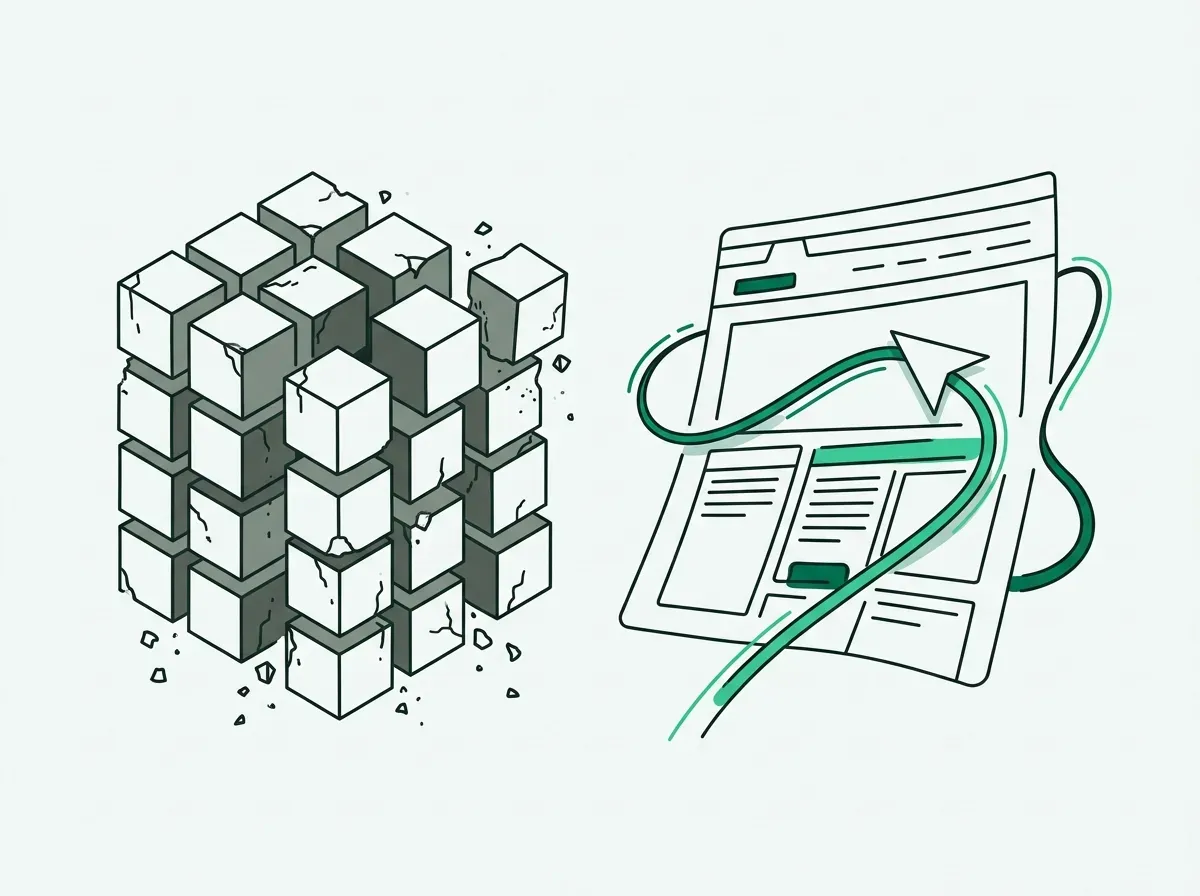
Data vendor inaccuracy stems from predictable structural friction: B2B data decays by over 30% annually as professionals change titles, transition employers, and adjust company hierarchies. When growth teams run waterfall enrichment over static records, they pay providers to query databases that may not reflect changes made earlier that week.
Credit architectures create additional operational drag. Platforms like Clay charge for both platform computation (Actions) and third-party data calls (Data Credits), where Launch plans cost $185 per month and Growth plans cost $495 per month (checked August 2026). Traditional vendors such as ZoomInfo require annual enterprise commitments typically starting between $14,995 and $28,000 per year for 3-seat minimums. As covered in our breakdown of how credit-based pricing models penalize discovery, metered lookups disincentivize deep exploratory research.
The architectural contrast between cloud scrapers and desktop browser agents is fundamental. Multi-tenant cloud scrapers run on datacenter IP ranges that face frequent rate limits and CAPTCHAs. In contrast, running discovery locally on your desktop allows agents to inherit your active logins and residential connection, making it possible to navigate member portals without triggering automated defenses.
Sourcing Real-Time Buying Signals Across Public Communities
Prospective buyers frequently discuss vendor pain points and request alternative recommendations in technical subreddits and professional communication channels long before submitting vendor demo forms. Autonomous agents monitor these forums, identify active buying intent, and map anonymous forum handles to real business profiles with verifiable quote citations.
Workflow 1: Reddit Intent Extraction
Growth teams deploy browser agents to monitor relevant subreddits (such as r/devops, r/salesengineering, and r/sysadmin) for explicit dissatisfaction with incumbent tools. We detail the operational steps for this in our guide on how we find B2B buying signals on Reddit. The agent flags posts containing evaluation keywords, extracts the specific feature complaint, and structures the context into an actionable prospecting record.
Workflow 2: Member-Only Community Monitoring
Critical peer discussions occur within authenticated Slack workspaces, Discord servers, and niche community forums. Because cloud scrapers cannot access channels protected by login walls, local agents operating inside your active workspace session can extract software recommendations and stack migration questions. You can see the full pipeline in our breakdown of resolving anonymous intent to find B2B customers.
Automating Hiring and Organizational Trigger Research
Hiring activity reveals budget allocation, team growth priorities, and software evaluation cycles months before public product announcements. Local AI agents inspect job boards and professional networks daily to track role expansion and identify former product power users entering decision-making positions.
Workflow 3: Job Board Tech-Stack Scanning
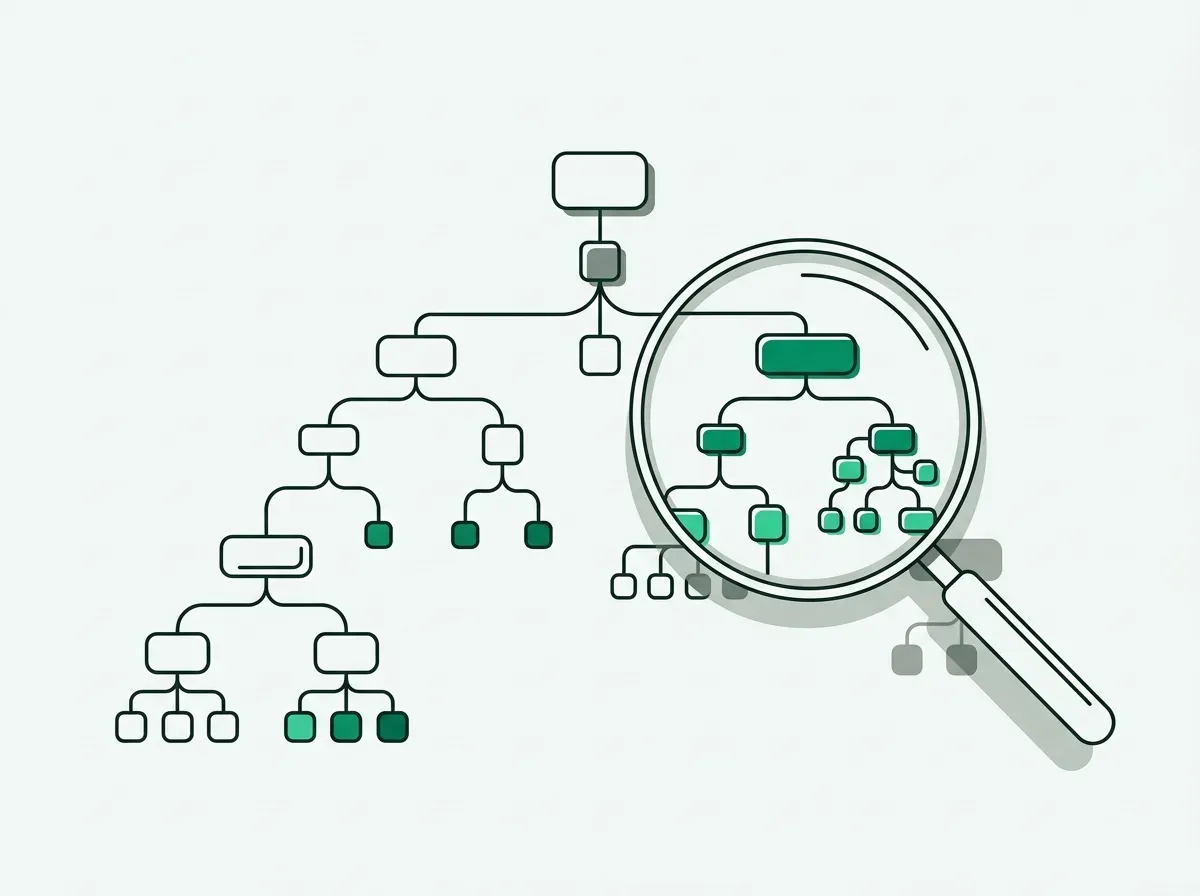
When an enterprise posts a requisition for a specialized role, the job description lists the precise tools the candidate must manage. Agents extract these requirements to identify legacy software deployments ready for displacement, surfacing companies actively expanding budgets around your specific category.
Workflow 4: Executive and Champion Tracking
Past users who championed your software at previous companies are statistically among the highest-converting outbound targets. Autonomous agents scan changes across executive profiles to identify when a champion joins a new target account. As cataloged in our analysis of nine buying signals you cannot get from a contact database, tracking role transitions within the first 30 days generates timely, high-relevance outreach triggers.
Workflow 5: Engineering Team Expansion Monitoring
Sudden headcount expansion across specific technical departments signals active infrastructure initiatives. Browser agents cross-reference department growth rates with company funding events to evaluate account readiness, applying frameworks from our guide to nine LinkedIn signals that predict buying intent.
Deep Account Profiling and Pre-Call Preparation
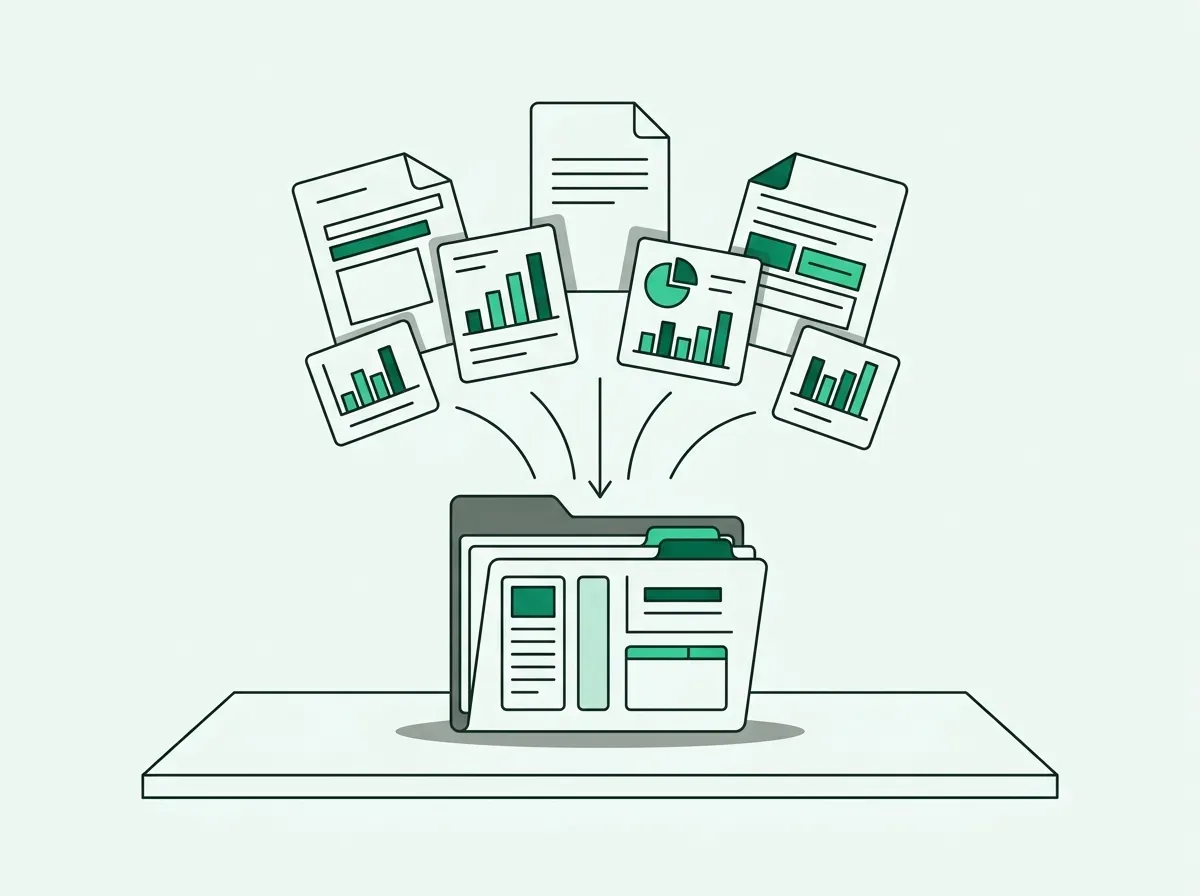
Preparing for enterprise discovery calls requires synthesizing public financial filings, customer reviews, and leadership priorities into structured intelligence briefs. AI agents automate this multi-source synthesis, delivering concise pre-call dossiers complete with clickable citations directly to sales representatives.
Workflow 6: 10-K and Earnings Transcript Synthesis
For public enterprise accounts, agents retrieve the latest 10-K filings and quarterly earnings call transcripts from the SEC EDGAR system. The agent extracts explicit strategic investments, software expenditures, and operational risks, providing account executives with context that aligns with executive priorities.
Workflow 7: Competitor Review Parsing
Agents scan recent 1-star and 2-star reviews across G2 and Capterra for target competitor profiles. The agent categorizes complaints regarding billing surprises, missing features, and poor customer support. This workflow generates hyper-targeted displacement campaigns referencing the specific shortcomings existing users report on public review platforms.
Workflow 8: Pre-Meeting Briefing Dossiers
Before an introductory sales call, an agent compiles the prospect's recent public statements, verified tech stack details, and current team initiatives into a single document. We documented how this framework operates in our article on automating pre-call briefs with AI agents to eliminate manual research time for sales representatives.
Inbound Verification and Outbound Signal Routing
Modern GTM teams must verify company identities and route prospect data cleanly without relying on brittle, multi-vendor software stacks. Autonomous agents cross-examine anonymous visitor IP signals with active corporate registries and export structured results to your destination of choice.
Workflow 9: Anonymous Website Visitor De-Anonymization
When reverse-IP software identifies a target account domain visiting your pricing page, an agent initiates a search for active decision-makers within that specific department. The agent checks current role status and recent activity, surfacing the exact stakeholder profile for immediate follow-up.
Workflow 10: Local-First CRM Hygiene and Lead Export
Instead of executing blind bulk updates that corrupt CRM fields, local agents verify email validity, verify current employment status, and format records locally. The resulting tables export cleanly to local CSV files or sync with external enrichment tables, matching the workflows explored in our comparison between Clay and Drevon for intent discovery and our analysis of waterfall enrichment versus browser intelligence.
Benchmarking Workflow Execution: Browser Agents vs. API Waterfalls
Choosing between API-based enrichment cascades and browser-native AI agents impacts data freshness, operating expense, and execution safety. The following table compares both approaches across core operational criteria based on August 2026 data.
| Evaluation Metric | API Waterfall Providers (Clay, Apollo, ZoomInfo) | Browser-Native AI Agents (Drevon) |
|---|---|---|
| Primary Data Origin | Aggregated third-party vendor databases | Live web pages, member portals, and primary sources |
| Pricing Architecture | Metered credits or annual contracts ($185/mo to $28,000+/yr) | Free desktop app; bring your existing AI subscription |
| Source Transparency | Opaque database fields without verification links | Verifiable source URLs provided for every claim |
| Authenticated Channel Access | Restricted to public endpoints; no community visibility | Runs locally in user sessions (Reddit, Slack, LinkedIn) |
| Data Freshness | Subject to 30%+ annual database decay rates | Verified at the exact second of agent execution |
| Outbound Reply Rate Benchmark | 1.0% – 3.0% average on generic lists (Instantly 2026) | 5.0% – 18.0% on verified trigger workflows (Autobound 2026) |
API waterfall providers offer high throughput when looking up standardized contact fields across massive lists. However, when prospecting requires exploratory context, authenticated community monitoring, or specific proof of intent, browser-native agents provide verifiable accuracy without intermediate data markups.
By connecting your own subscription to models like Claude Code or OpenAI Codex, you eliminate per-action fees. Local execution preserves your unit economics, allowing growth engineers to run continuous research agents without worrying about monthly credit exhaustion.
Frequently Asked Questions About AI Sales Agents
What is the difference between an AI SDR and an AI sales agent?
An AI SDR focuses primarily on generating and sending automated cold email sequences using template variables. An AI sales agent functions as an autonomous research assistant, navigating live websites, parsing job postings, extracting community signals, and compiling evidence-backed dossiers with verified source citations before any messaging begins.
Can AI agents operate without triggering platform bot detection?
Browser-based agents running locally operate within your authenticated desktop session, using your residential IP address and authentic browser fingerprint. Cloud-hosted multi-tenant scrapers encounter restriction rates around 31% due to datacenter IP ranges, whereas local browser automation maintains an average restriction rate of roughly 8% when human-mimicking pacing delays are observed.
How do local browser agents maintain GDPR compliance during lead discovery?
Local agents process research directly on your local device without sending scraped data to a centralized third-party multi-tenant database. Read our breakdown of GDPR-compliant lead research using a local-first approach to see how collecting public, professional information with explicit source attribution meets legitimate interest standards.
What technical skills does a GTM engineer need to run autonomous workflows?
Modern GTM engineers do not need to write complex headless browser scripts from scratch. Desktop research applications allow users to define research briefs in natural English, which the underlying agent translates into structured web navigation, intent evaluation, and formatted data exports.
Automate your prospect research workflows today. Download Drevon for Mac to run autonomous, evidence-backed discovery directly in your browser using the AI subscriptions you already own.