Prospect Research: The Complete 2026 Method — the hub post; it's the homepage H1 phrase
Prospect Research: The Complete 2026 Method
- Static B2B contact records decay by 25% to 30% annually, causing high bounce rates and wasted sales representative capacity.
- Modern prospect research extracts verified buying signals from live web sources rather than querying cached contact databases.
- Browser-native AI agents inspect live pages inside local user sessions, avoiding scraper blocks and SaaS integration taxes.
- Outreach anchored to verifiable real-time events produces response rates between 15% and 25%, compared to 1% to 3% for static firmographic campaigns.
- Every actionable prospect finding must resolve to a direct, inspectable source URL before reaching your CRM or outbound sequencer.
Prospect research in 2026 is the automated extraction of live, verifiable buying signals directly from primary web sources. At Drevon, we built a free Mac desktop application that runs AI agents in your browser to surface high-intent accounts with direct citation links. Static databases and credit-metered enrichment APIs deliver stale contact records without context; modern research workflows demand immediate proof of intent.
What Prospect Research Means in 2026
Prospect research is the systematic process of discovering accounts, verifying organizational triggers, and confirming key stakeholder context across live digital platforms before initiating sales outreach. Unlike traditional contact list building, modern research verifies current operating realities rather than relying on stale contact directories.
Traditional prospecting treats lead generation as an exercise in bulk contact extraction. Teams filter a database by static firmographics such as headcount, industry code, or job title, then export unverified email records into automated sequencers. This model fails because static records do not reveal current company priorities, technical initiatives, or budget cycles.
In contrast, modern research examines live digital footprints across LinkedIn, Reddit, GitHub, job boards, and product review channels. When a growth engineer inspects an account, they evaluate observable business changes:
- Active job descriptions citing technical transitions, tool migrations, or regulatory compliance requirements.
- Engineering discussions on Reddit or Stack Overflow describing architectural bottlenecks.
- Leadership hires entering seats with mandates to replace legacy vendor stacks within their initial 90 days.
Every finding in an evidence-backed workflow must resolve to an inspectable URL. When an outbound team presents an account thesis, the representative can verify the claim directly at the primary source. We detailed this requirement in our guide on evidence-based prospecting and source verification.
The Core Weakness of Static Contact Databases
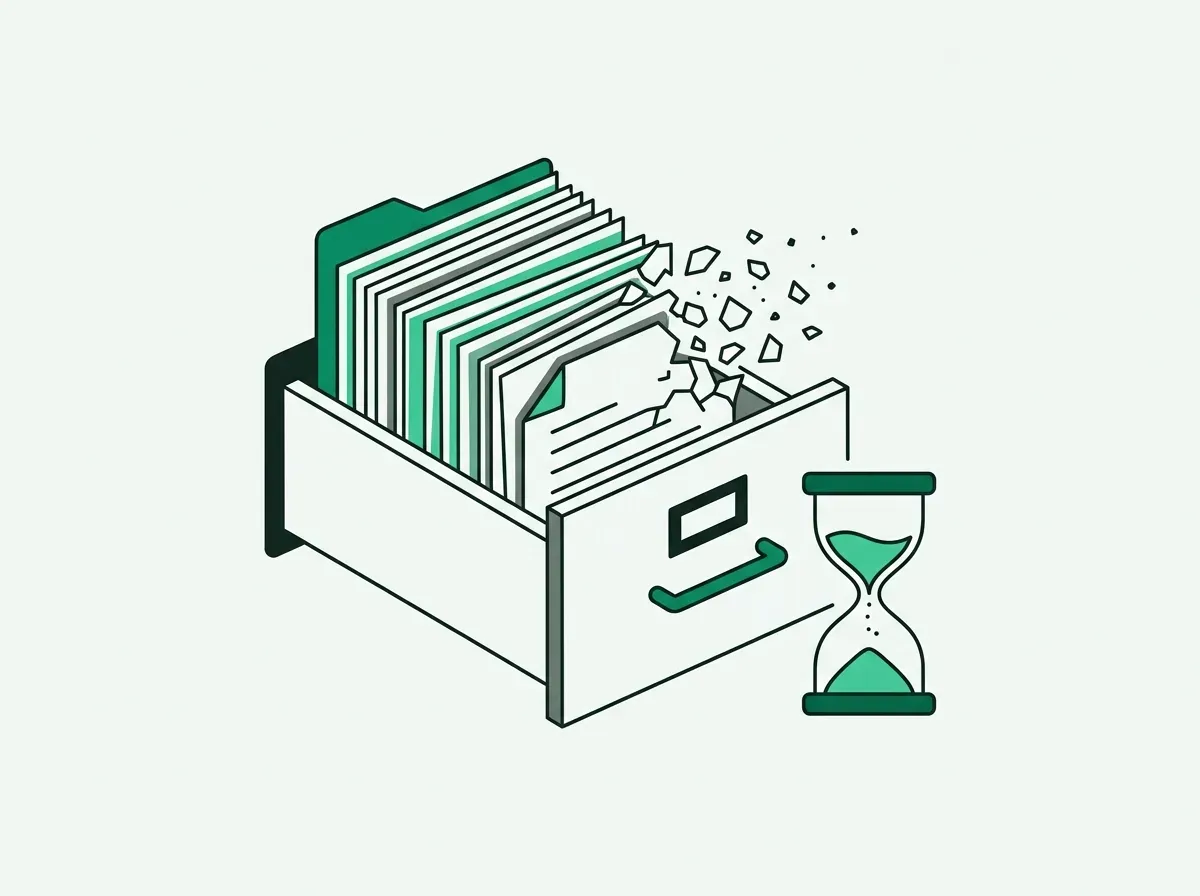
Static contact databases degrade continuously because employment data changes faster than central web scrapers can re-index the global workforce. When revenue teams rely on centralized contact repositories, they purchase records that reflect past company structures rather than present buying intent.
Industry measurement demonstrates that B2B data decays at 25% to 30% per year according to benchmarks published by DataMagnet and analyzed in reports on B2B data decay strategies. Specific data fields break down even faster: email addresses experience approximately 43% annual obsolescence, while job titles change across 30% of records every twelve months. Sales professionals spend over 27% of their working hours correcting inaccurate data rather than selling, as documented by Landbase's B2B contact data accuracy statistics and research on the data decay epidemic from Forbes Business Council. We analyzed this structural breakdown in our study on why B2B data decays by over 30% annually.
The second structural failure of legacy tools is credit-metered pricing. When a platform charges per query or data enrichment step, teams restrict exploratory discovery. Representatives hesitate to inspect secondary prospects because every profile lookup consumes operational budget. We explored this issue in our piece on how credit-based pricing models penalize discovery.
Furthermore, cloud scrapers and API aggregators cannot access authenticated, community-driven platforms. Modern discussions regarding software evaluations, vendor replacements, and operational pain points occur inside LinkedIn discussions, subreddits, and developer forums behind active logins. Headless scrapers hosted in commercial data centers encounter IP blocks and CAPTCHA interventions, leaving traditional data vendors blind to grassroots intent.
The Evidence-Backed Prospect Research Framework
The evidence-backed research framework replaces static database queries with a four-step pipeline executed by local AI agents. This method identifies verifiable intent triggers across public web sources and structures findings into clean data formats for downstream revenue operations.
- Define verifiable qualifying triggers: Establish explicit account requirements beyond headcount and industry. Identify signals such as hiring for specific developer frameworks, public complaints regarding legacy vendors, or newly posted compliance roles. We cataloged several examples in our guide to buying signals you cannot get from a contact database.
- Deploy browser-native agents: Run local agents that navigate web properties using your active desktop browser sessions. Because the agent operates within your authenticated environment, it reads primary pages cleanly without tripping bot defenses or headless scraper filters.
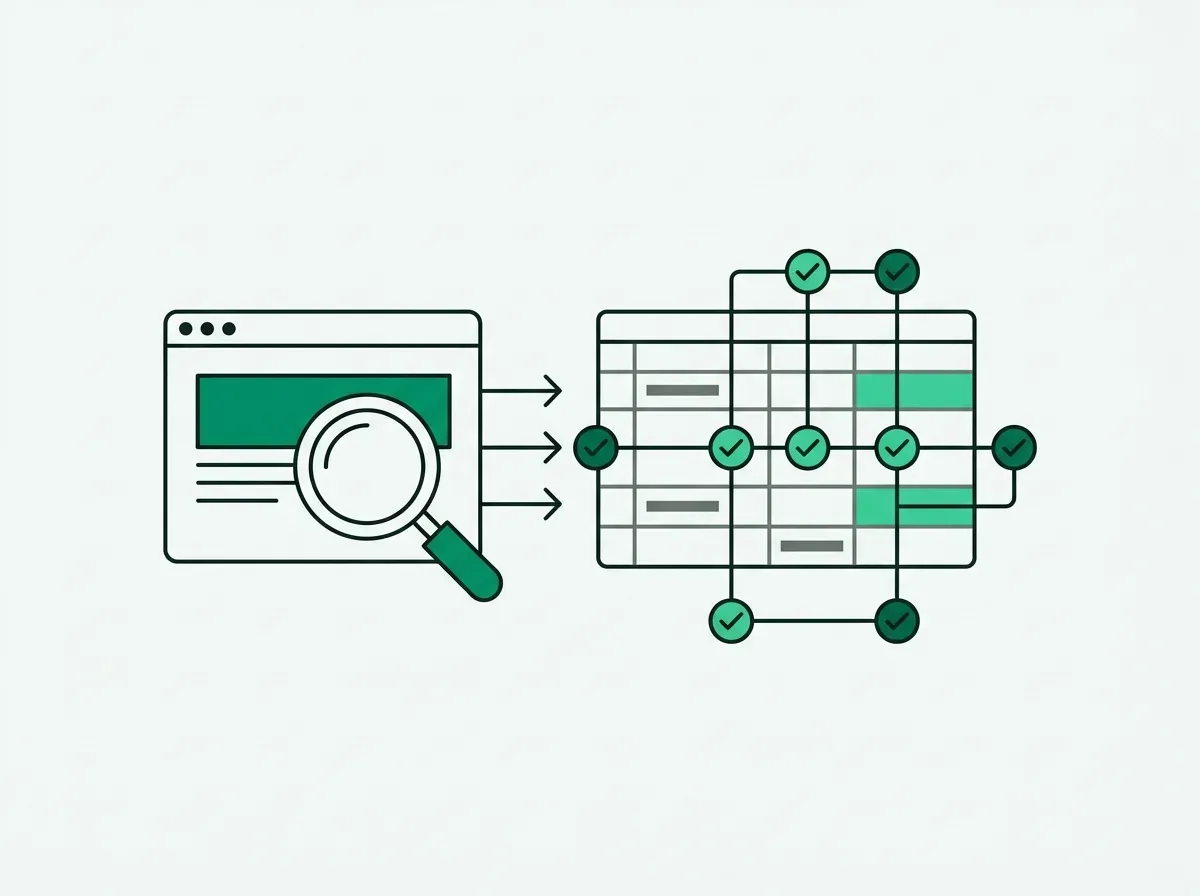
- Extract structured records with citations: Direct the agent to compile accounts into CSV or Markdown files. Every record must pair each qualification attribute with a live, inspectable source URL.
- Route qualified accounts directly to execution: Pass structured data directly to your GTM engineers and account executives, eliminating recurring middleman API fees.
Data from platform benchmark studies across 2025 and 2026 shows that outbound messages citing a verified trigger event convert at 15% to 25% reply rates. In comparison, generic firmographic outreach achieves a baseline response rate of 1.0% to 3.43%. Stacking two or three real-time signals—such as a recent executive hire combined with an infrastructure migration—pushes response rates above 25%, generating a 3x to 5x improvement in meeting conversion.
Comparing Research Approaches: Static Lists vs. Enrichment Waterfalls vs. Browser Agents
Evaluating modern prospecting tools requires examining data freshness, pricing mechanics, execution environments, and operational latency across each category. Different architectures serve distinct roles within a mature go-to-market engine.
The following table compares static databases, waterfall enrichment platforms, and browser-native AI agents across core operational dimensions.
| Platform | Primary Execution Model | Pricing Structure (Checked August 2026) | Data Freshness Mechanism | Best Application |
|---|---|---|---|---|
| Drevon | Local desktop agent (macOS Electron, user browser) | Free (Brings own LLM subscription) | Real-time live web inspection | Discovering real-time intent triggers and cited signals |
| Clay | Cloud orchestration engine with waterfall APIs | $185/mo (Launch) to $495/mo (Growth) + credits | Cached 3rd-party API waterfalls | Multi-provider contact enrichment and CRM formatting |
| Apollo.io | Centralized database with native sequencing | $49/seat/mo (Basic) to $119/seat/mo (Org) | Periodic web crawls and user email telemetry | Broad contact discovery and high-volume sequencing |
| ZoomInfo | Centralized enterprise data repository | ~$14,995/yr (Professional) to $35,000+/yr | Contract data feeds and proprietary tracking | Enterprise account mapping and phone data |
Waterfall enrichment systems like Clay provide value when standardizing contact fields or cleaning phone numbers across multiple data vendors. However, when your objective is discovering unindexed buying intent, cloud waterfalls rely on the same cached API records that decay over time. We compared these architectural distinctions in our analysis of waterfall enrichment versus browser intelligence as well as our direct breakdown of Clay versus Drevon for intent discovery.
Furthermore, cloud scrapers carry an integration tax. Connecting multi-tenant SaaS tools to your CRM introduces synchronization delays, privacy liabilities, and ongoing seat fees. Local-first execution eliminates these intermediaries by parsing data on the user device, as we described in calculating the real cost of AI prospecting and our review of why Drevon runs locally on your desktop.
Building a High-Velocity Prospect Research Stack
A high-velocity prospect research stack pairs local desktop agents with the user existing large language model subscriptions. By directing frontier models across live web properties, growth teams create responsive research workflows without enterprise software overhead.
Modern GTM engineers drive this architecture by connecting coding assistants such as Claude Code, OpenAI Codex, or Gemini directly to browser automation engines. The local client manages Chromium instances using macOS Keychain security and local SQLite storage, maintaining session cookies safely without exporting credentials to remote cloud servers. For deeper technical context on this role, review our overview of what a GTM engineer does.
To execute targeted research, use structured prompt parameters that isolate verifiable criteria:
"Identify 25 B2B companies hiring for Senior Data Platform Engineers that mention Snowflake migrations in their job descriptions. Extract the hiring company, the job posting URL, the exact sentence referencing Snowflake, and the LinkedIn profile URL of the VP of Engineering. Format the output as a CSV table."
This approach captures authentic intent signals on niche communities, including discussions on subreddits. We shared specific methods for capturing these interactions in our guide on finding B2B buying signals on Reddit and separating real intent signals from noise. Once extracted, the CSV files import cleanly into downstream outreach sequences, providing your SDRs with factual conversational entry points.

Frequently Asked Questions About Prospect Research
How much does B2B prospect data decay each year?
B2B prospect data decays at an average rate of 25% to 30% per year across standard industry benchmarks. High-volatility fields decay faster, with email addresses changing at approximately 43% annually and job titles changing at roughly 30% annually. This continuous turnover leads to increased email bounce rates and domain reputation damage when teams rely on static databases.
What is the difference between contact enrichment and prospect research?
Contact enrichment appends missing demographic fields (such as phone numbers or corporate email addresses) to existing records using third-party databases. Prospect research investigates live web sources to discover active business triggers, technical changes, and organizational needs that prove an account is currently in-market for a solution.
How do browser-native agents access authenticated intent data safely?
Browser-native agents run directly inside the user local desktop environment, inheriting authenticated session cookies and local storage tokens managed by the operating system keychain. Because the agent operates with genuine user fingerprints and residential network connections, it navigates platforms like LinkedIn and Reddit without triggering automated bot blocks or exposing login credentials.
Why is source attribution essential for outbound sales conversion?
Source attribution links every prospect insight to an inspectable URL, such as a live job listing, social post, or news article. Outbound emails referencing verified real-time events generate 15% to 25% reply rates, compared to 1% to 3% for generic firmographic campaigns. Having direct source links ensures sales representatives can cite verifiable facts during their outreach.
How does credit-based pricing impact research quality?
Credit-based pricing charges teams for every profile lookup, search query, and enrichment attempt. This financial penalty discourages exploratory searches across secondary prospects and non-standard sources. As a result, sales teams restrict their research to familiar accounts, missing high-intent opportunities on unstructured community channels.
Ready to modernize your outbound research? Download Drevon for macOS today for free, bring your existing AI subscription, and start extracting evidence-backed prospect lists in minutes.