What an AI SDR Does All Day (and Where It Still Fails) — 1,900/mo
What an AI SDR Does All Day (and Where It Still Fails)
TL;DR
- An AI SDR operates as an automated software agent that handles account discovery, live signal tracking, and email drafting across high-velocity outbound pipelines.
- Autonomous outreach tools achieve average cold email reply rates between 1.0% and 3.43%, but performance drops sharply on enterprise deals above $25,000 ACV.
- Over 22.5% to 30% of commercial B2B contact records decay each year, making static database pipelines a primary cause of domain reputation penalties.
- Human-in-the-loop review improves qualified reply rates by 20% to 50% over fully autonomous generative workflows.
- Grounding SDR agents in live browser sessions and verifiable primary source URLs prevents hallucinated personalization and email spam filtering.
An AI SDR is an autonomous software program that executes prospect research, signal qualification, and outreach drafting without manual data entry. At Drevon, we see growth teams configure these agents to process hundreds of target accounts daily, and you can download Drevon free for macOS to run deterministic prospecting locally. While automation speeds up initial discovery cycles, ungrounded bots running on stale contact lists frequently burn sending domains and misread account context.
What Is an AI SDR?
An AI SDR is an automated software agent that monitors external data sources, qualifies prospective accounts against ideal customer profile criteria, and drafts outbound communications. Unlike traditional sales development representatives measured on dial volume, an automated SDR runs as a continuous data pipeline that transforms unstructured web events into structured lead tables.
Early sales automation relied on basic mail-merge templates and static filters. A modern AI SDR uses language models, enrichment application programming interfaces (APIs), and deterministic workflow rules to analyze prospects before drafting messages. In practice, a GTM engineer builds these systems to replace repetitive manual list curation with programmatic evaluation.
Rather than replacing the entire sales function, the tool acts as an always-on pipeline assistant. It ingests criteria such as headcount growth, hiring announcements, and tech stack installations, outputting qualified accounts directly into a customer relationship management (CRM) platform or sales engagement tool.
The Daily Workflow: What an AI SDR Actually Executes
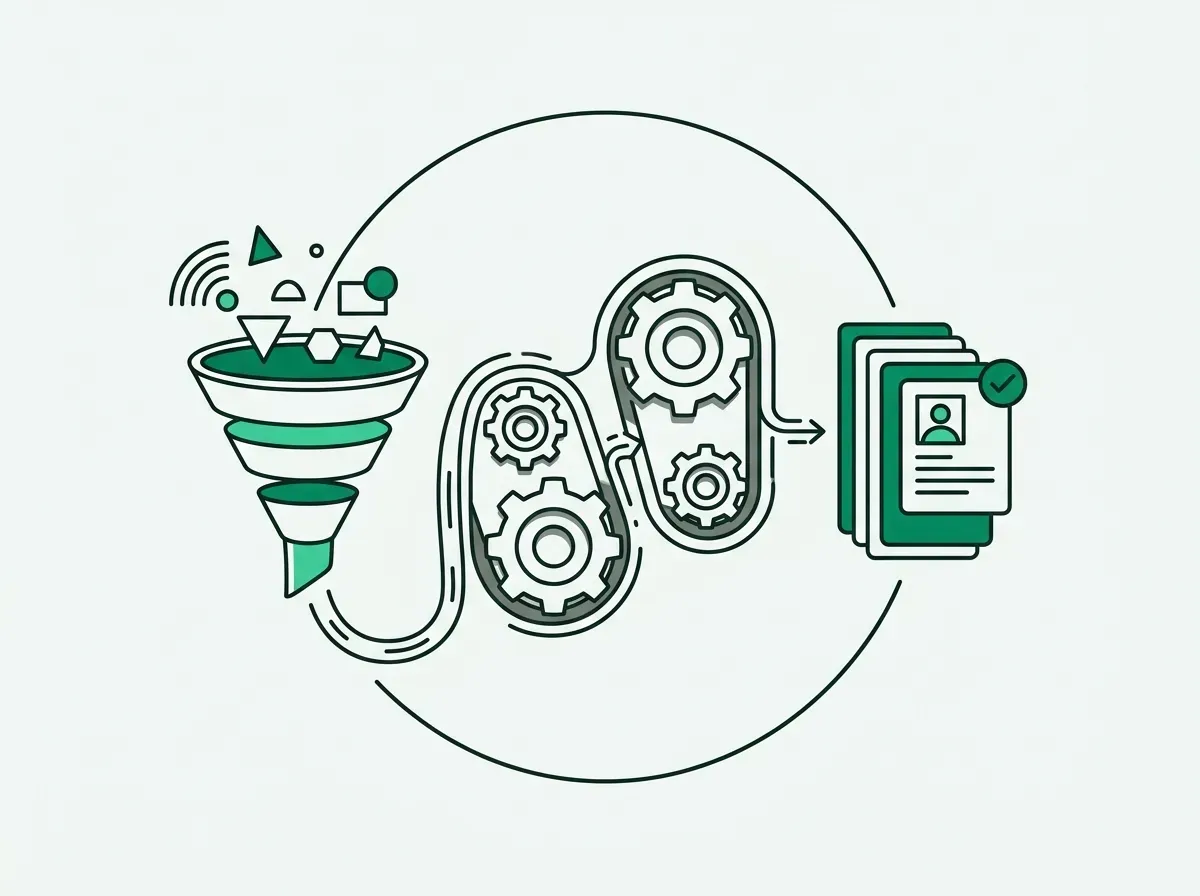
An AI SDR executes a continuous 24-hour cycle of market monitoring, profile evaluation, data enrichment, and outreach generation. It operates across multiple data layers to identify active buying windows, extract contact details, and route ready accounts to account executives without human research delays.
The daily agent schedule follows four concrete operational stages:
- 00:00 – 06:00 (Signal Ingestion): The agent queries news feeds, regulatory filings, and job boards to detect organizational inflection points. It filters out noise using precise rules to identify actual buying signals rather than vanity announcements.
- 06:00 – 10:00 (Account Qualification & ICP Scoring): New accounts are scored against firmographic criteria. The agent evaluates industry vertical, employee count, recent capital allocation, and current software tooling.
- 10:00 – 14:00 (Multi-Step Enrichment): The agent executes waterfall enrichment to identify relevant decision-makers, validating corporate email addresses and checking historical job tenure.
- 14:00 – 24:00 (Drafting & Dispatch): The agent matches intent data to specific value propositions, assembling draft messages and queuing them for delivery within optimal regional business hours.
Teams that automate pre-call preparation alongside prospecting compress hours of manual prep into seconds, as outlined in our breakdown of automating pre-call briefs with AI agents.
AI SDR vs. Human SDR Performance Benchmark
Autonomous AI SDRs deliver speed advantages on inbound triage and high-velocity transactional outbound, but human sales representatives maintain higher conversion rates on complex, multi-stakeholder enterprise deals. Deciding how to balance automated agents with human reps requires evaluating empirical conversion data and unit economics.
The table below summarizes measured performance benchmarks across research speed, conversion rates, and operating costs according to published sales data:
| Operational Metric | Autonomous AI SDR | Human SDR | Primary Benchmark Source |
|---|---|---|---|
| Inbound Response Speed | < 2 minutes | ~2.5 hours | Drift Conversational Report |
| Average Cold Email Reply Rate | 1.0% – 3.43% | 4.0% – 8.0% (Intent-Led) | Instantly Benchmark Report |
| Meeting Show Rate | 52% | 71% – 85% | Salesmotion Split-Test Data |
| Meeting-to-Opportunity Conversion | 15% | 25% | Nuacom / Babuger Industry Study |
| Outbound Efficiency Threshold | < $25,000 ACV | > $40,000 – $50,000 ACV | Insight Partners Portfolio Audit |
| Pipeline Generated per $15k Spend | $56,000 | $147,000 | Getcleed Head-to-Head Test |
Data from the Lacleo deliverability study shows that baseline cold outbound reply rates have dropped from 8.5% in 2019 to 3.43% in recent audits due to automated inbox saturation. Unsegmented outreach yields reply rates as low as 1.0%, while intent-backed campaigns reach 4.0% to 8.0% according to Reachoutly response rate tracking. Furthermore, research analyzed by Devcommx on AI SDR statistics reveals that human review of AI-generated drafts increases positive response rates from 10% to 18%.
For contracts valued above $25,000 annually, automated agents experience steep drop-offs. Complex enterprise sales motions require navigating internal security audits, political dynamics, and multiple department heads that automated scripts fail to parse accurately.
Where AI SDRs Still Fail: The 4 Critical Failure Modes
Autonomous AI SDRs fail primarily when they rely on static contact databases, generate ungrounded personalization, lack access to live authenticated web pages, or output unverified intent claims. Understanding these failure modes helps teams avoid domain blacklisting and pipeline waste.
1. Relying on Decaying Static Databases
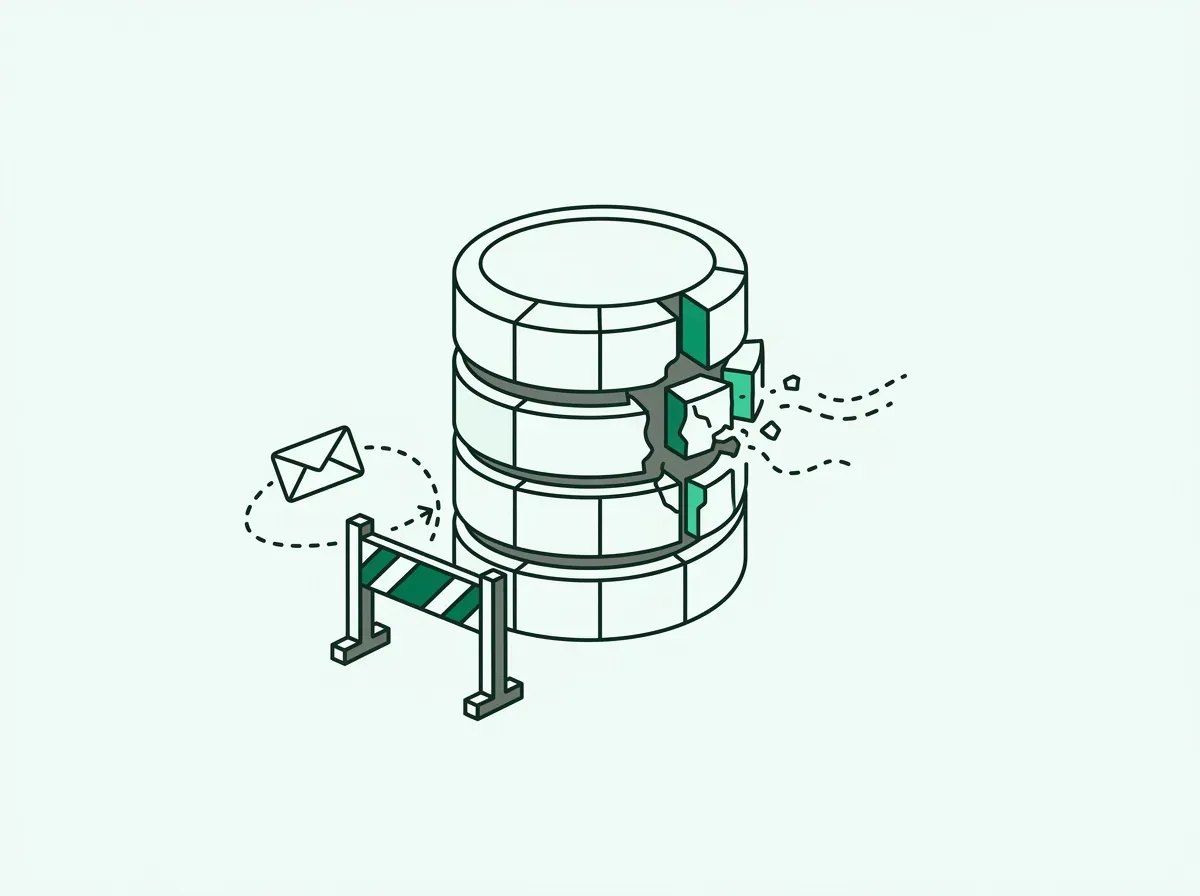
Most commercial outbound tools rely on pre-indexed data vendors like Apollo or ZoomInfo (checked August 2026). However, corporate contact data degrades rapidly. Industry audits show that 22.5% to 30% of B2B contact records become invalid annually, with job title turnover reaching 65.8% over 12 months. Sending automated volume to obsolete mailboxes creates hard bounces, and our investigation into why B2B data decays by over 30% annually demonstrates how static records degrade email deliverability.
2. Hallucinated Personalization and Spam Filtering
When an agent lacks real data points, generative models invent generic flattery or fabricate recent company initiatives. Automated spam filters penalize senders when complaint rates exceed 0.10%, with a hard domain block threshold at 0.30% under Google and Yahoo sender guidelines. According to research on cold email deliverability benchmarks, maintaining bounce rates under 1.5% is essential to avoid spam folders, making synthetic personalization counterproductive.
3. Inability to Access Gated Communities
Traditional cloud scrapers execute through headless browser infrastructure on commercial cloud IP addresses. Firewalls, Cloudflare bot management, and platform verification systems routinely block these connections. As a result, cloud-hosted bots cannot inspect private forum discussions, member directories, or authenticated product feedback channels.
4. Lack of Verifiable Source URLs
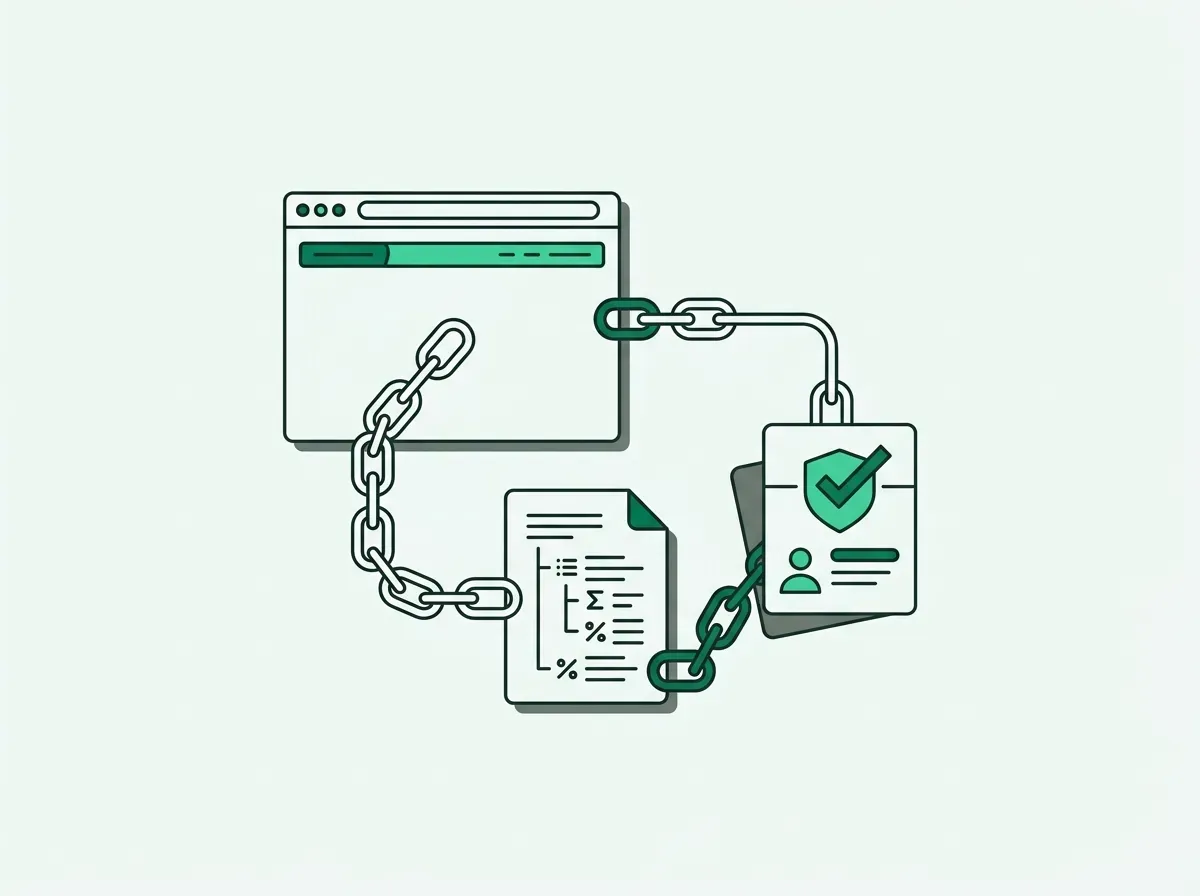
When an automated SDR extracts a signal without recording the originating link, sales teams cannot verify the context. If a prospect replies asking where the agent found their project timeline, reps without primary source evidence lose credibility immediately. Our benchmark testing in running the same brief through Drevon and a manual SDR confirmed that unsubstantiated claims damage prospect trust.
How GTM Engineers Fix AI SDR Hallucinations with Evidence-Backed Research
GTM engineers prevent agent hallucinations by shifting from cloud data brokers to browser-native execution environments that capture verifiable source URLs for every prospect claim. This architecture anchors generative models in observable primary web data rather than stale cache records.
Instead of purchasing opaque credits on platforms like Clay (where Starter plans begin at $149/month, checked August 2026), teams are turning to local-first desktop agents. Our analysis of credit-based pricing models shows that per-row charges penalize iterative prospect discovery.
Technical teams implement three architectural safeguards to build dependable AI SDR workflows:
- Mandatory Source Attribution: Every extracted attribute (funding round, hiring need, executive quote) must store its exact origin URL in the lead record.
- Browser-Native Session Execution: By running research through local browser sessions rather than datacenter proxies, agents navigate platforms like LinkedIn and Reddit using legitimate user sessions without trigger blocks. We outline this in our guide on finding buying signals on Reddit.
- Local Desktop Architecture: Running agent logic on your own device eliminates separate API markup costs and protects confidential internal prospecting briefs, as explained in our review of why Drevon runs on your desktop.
Rather than relying on closed cloud graphs like Nex or remote database wrappers like gtm.ai, browser-native research pulls fresh public text at query time. For teams evaluating their data infrastructure, our breakdown of waterfall enrichment versus browser intelligence details how real-time inspection avoids data decay.
Frequently Asked Questions About AI SDRs
Can an AI SDR fully replace human sales development reps?
An AI SDR cannot fully replace human sales reps on deals above $25,000 in contract value. While automated agents excel at fast data gathering, inbound qualification, and initial message drafting, human representatives achieve higher meeting show rates (71% versus 52%) and better meeting-to-opportunity conversions on consultative enterprise deals.
How much does it cost to deploy an AI SDR?
Commercial cloud AI SDR platforms typically cost between $500 and $3,000 per month, often accompanied by credit charges for data enrichment. In contrast, local-first tools like Drevon provide free prospecting software for macOS that runs directly on your existing AI model subscriptions.
What buying signals deliver the highest conversion rates?
The highest converting buying signals are immediate pain indicators, such as active software migration complaints on Reddit, leadership role changes, and specific technical job listings. Review our breakdown of buying signals you cannot get from a contact database for concrete examples.
How do you prevent an AI SDR from burning email domain reputation?
To protect email domain reputation, maintain hard bounce rates below 1.5%, keep spam complaints under 0.10%, and avoid blasting unverified static lists. Implementing human review on drafted copy removes synthetic phrasing and ensures every recipient matches an active, verified intent signal.
If you want to run evidence-backed prospect research without vendor data decay, download Drevon for Mac to run local AI prospecting agents on your existing AI subscriptions.